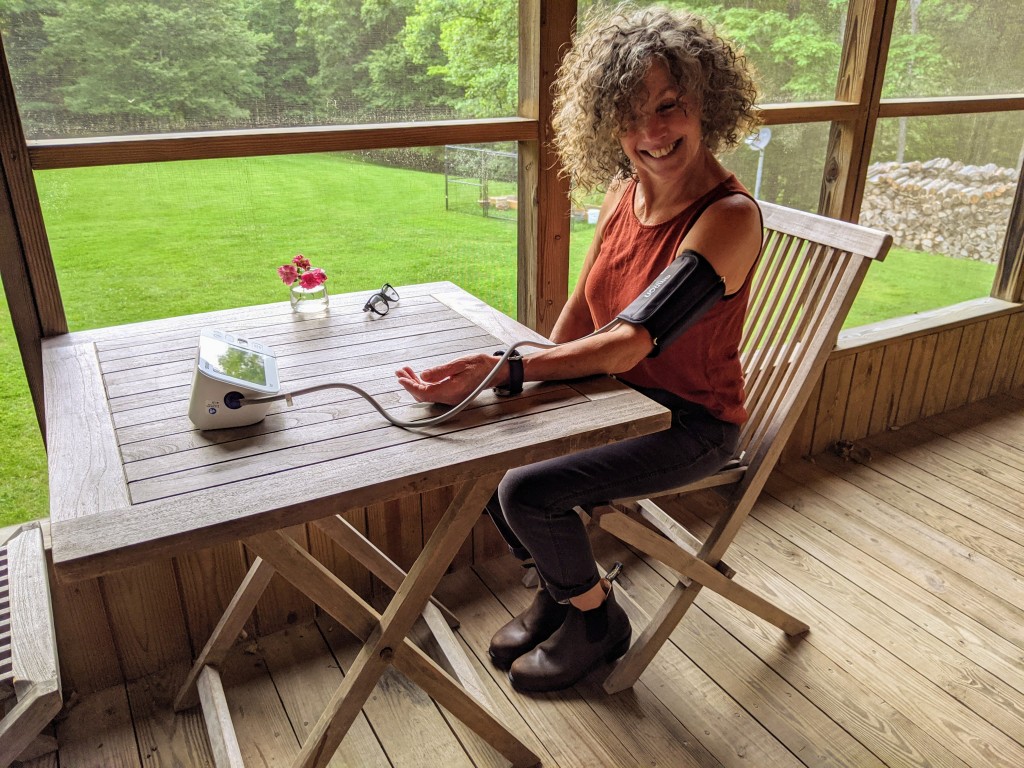
A blood pressure monitor can help you achieve more accurate blood pressure and pulse readings at home, whether it’s doctor’s orders or you’re looking to keep track of your health.
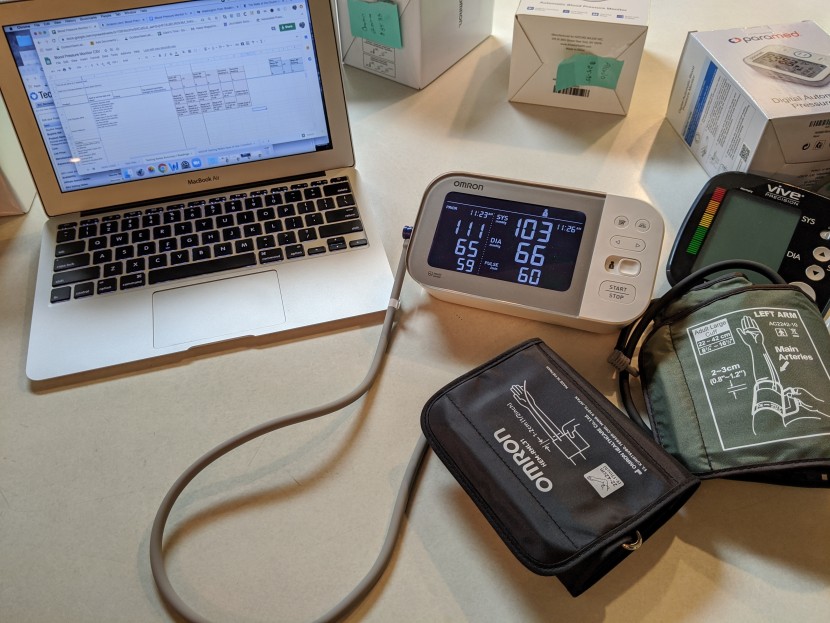
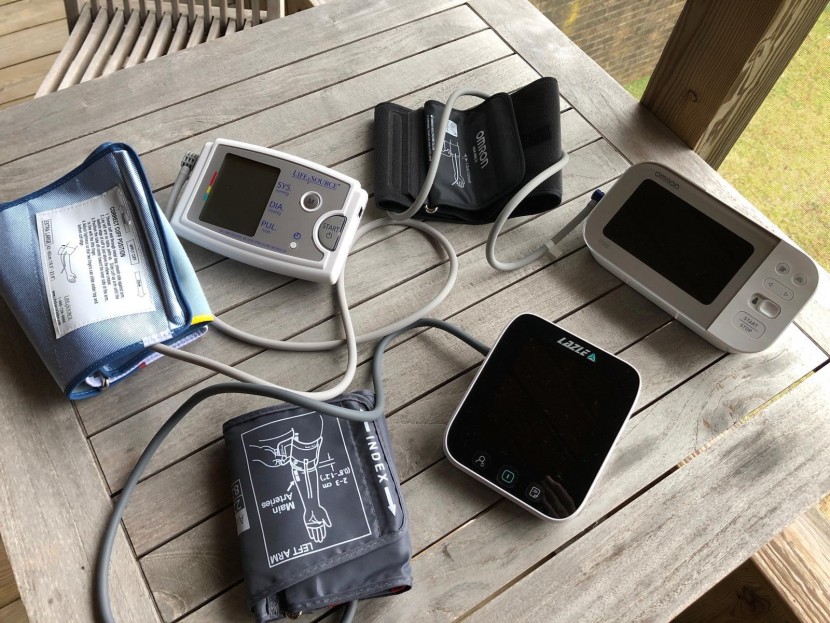
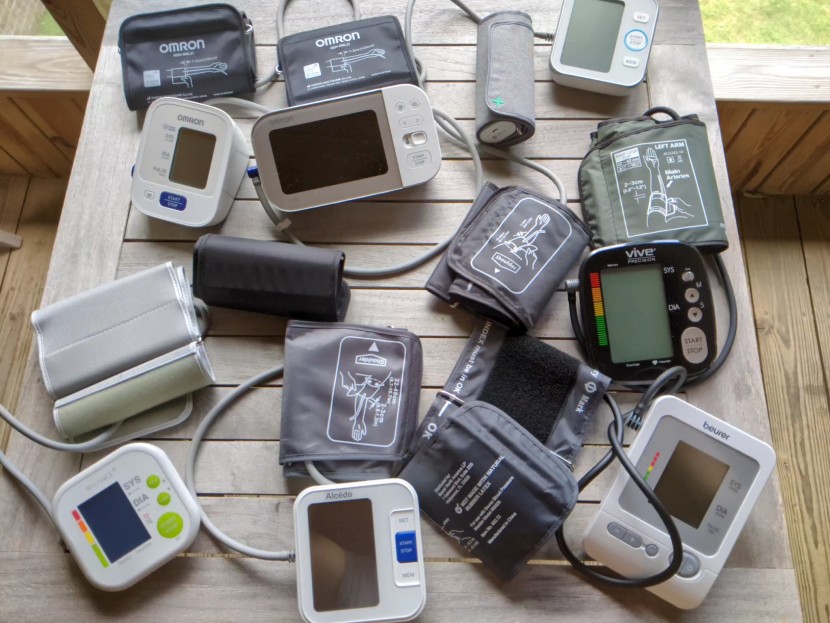
To find the best blood pressure monitors available today, we bought the top 12 to test side by side. To find accurate monitors, we compared each reading to control data taken manually with a sphygmomanometer and stethoscope. To find devices that are pleasant enough for daily use, we compared their user interfaces and any included apps and tried out all their features.
Our top recommendation for most people is the Omron Platinum. It sets itself apart with its user-friendliness and incredible accuracy, and we appreciate some of the additional features offered by the app.
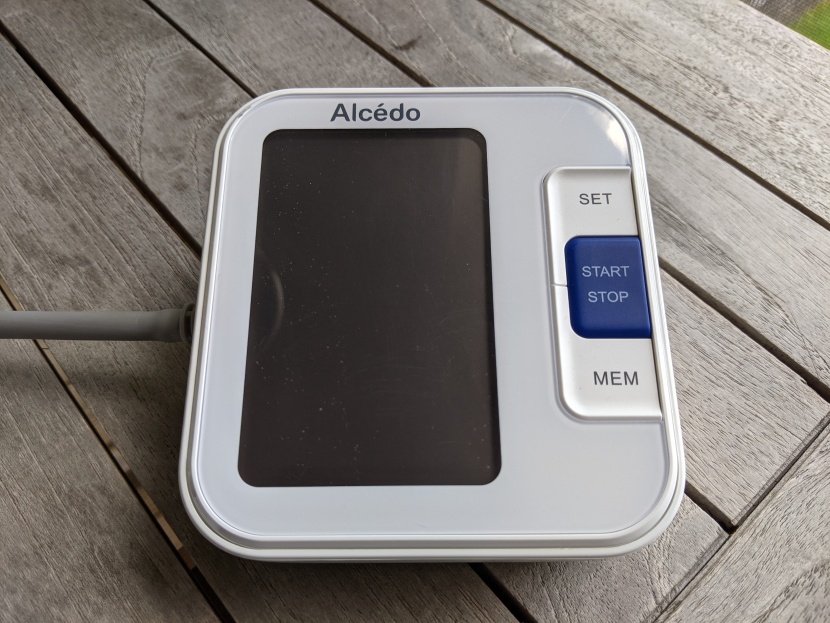
Anyone looking for a large and easy-to-read display should check out the Alcédo Upper Arm Monitor. This model is also a great value.
Tracking your blood pressure is just one part of caring for your overall health and fitness. If you’re looking to round out your routine, try monitoring your heart rate and blood oxygen saturation levels with one of pulse oximeters from our testing. For daily exercise and activity tracking, check out our favorite smartwatches.
Quick Look

The Best Blood Pressure Monitors
Full results from testing 12 top products are in our Product Comparison Table and Analysis & Test Results sections.
Best Overall Blood Pressure Monitor
Omron Platinum

Cuff Circumference: 9″ to 17″ | Memory: 100 entries for 2 users (unlimited on app)
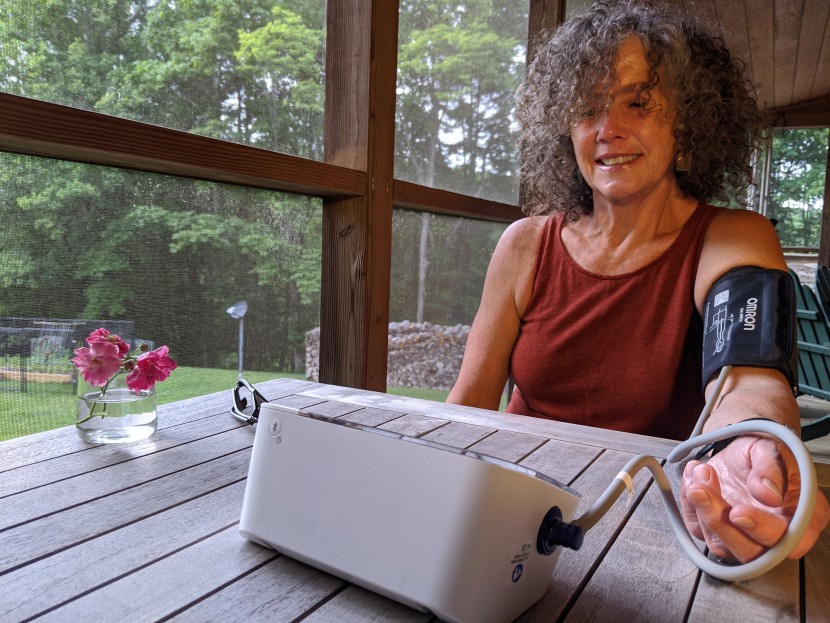
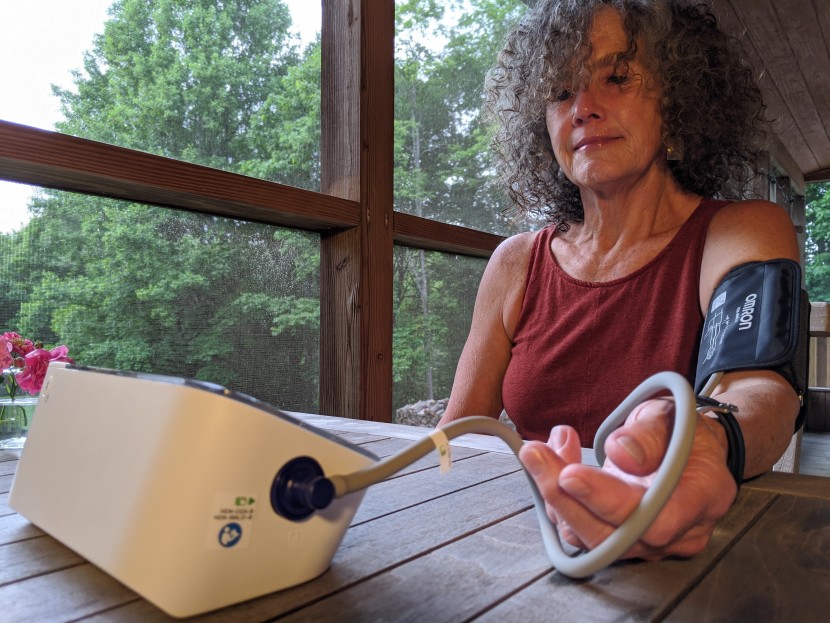
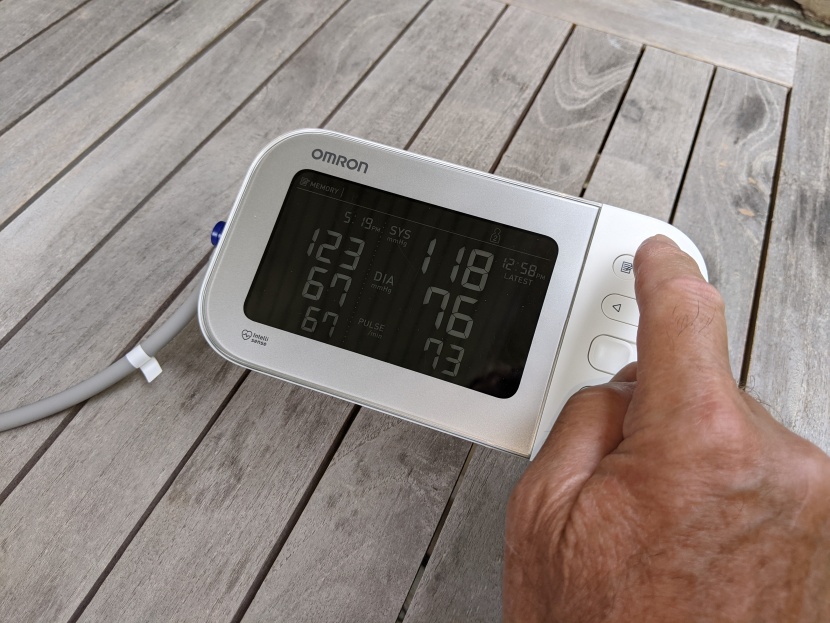
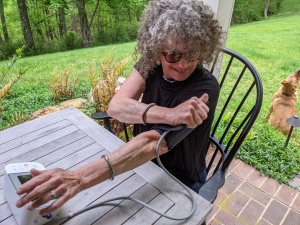
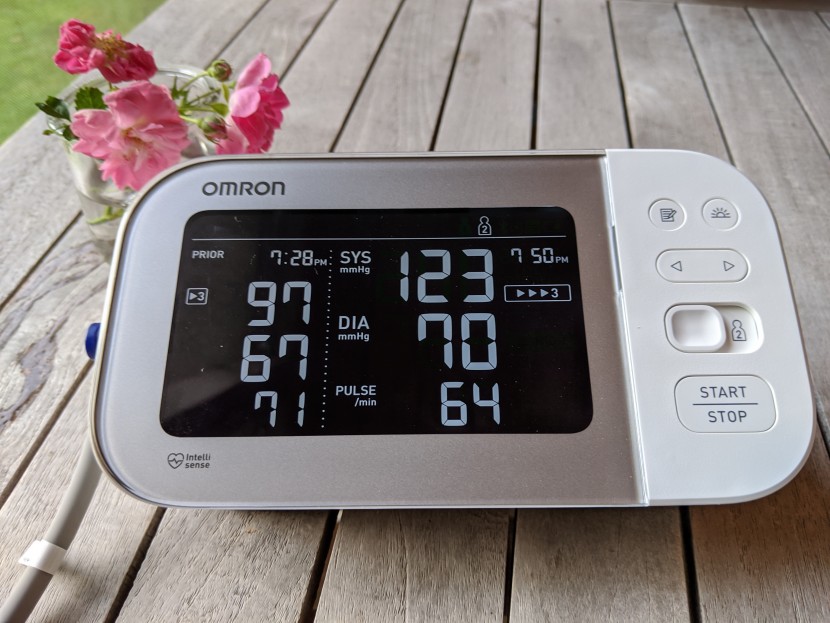
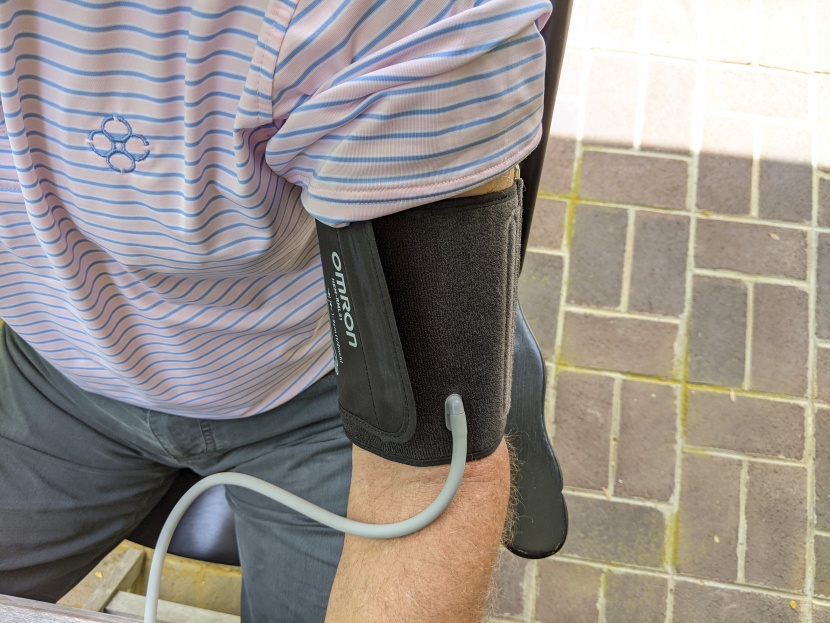
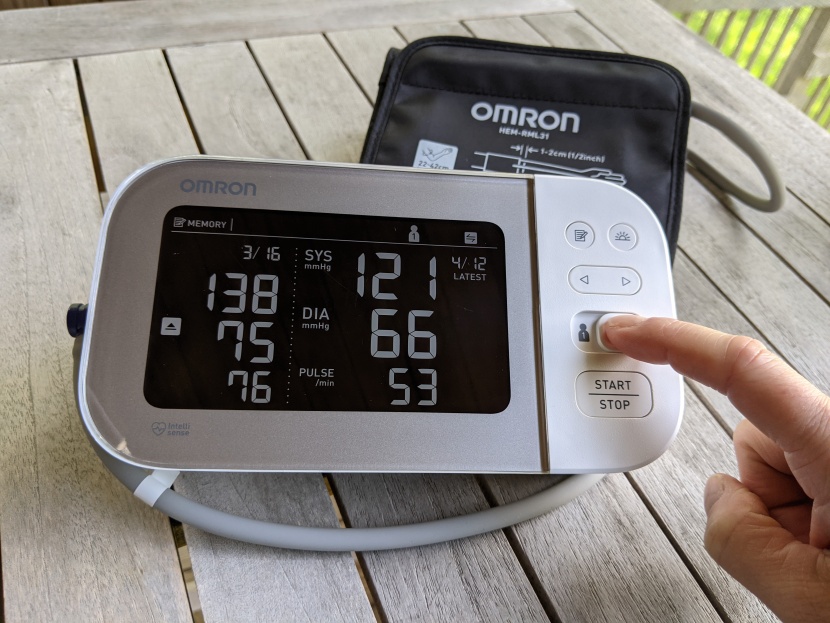
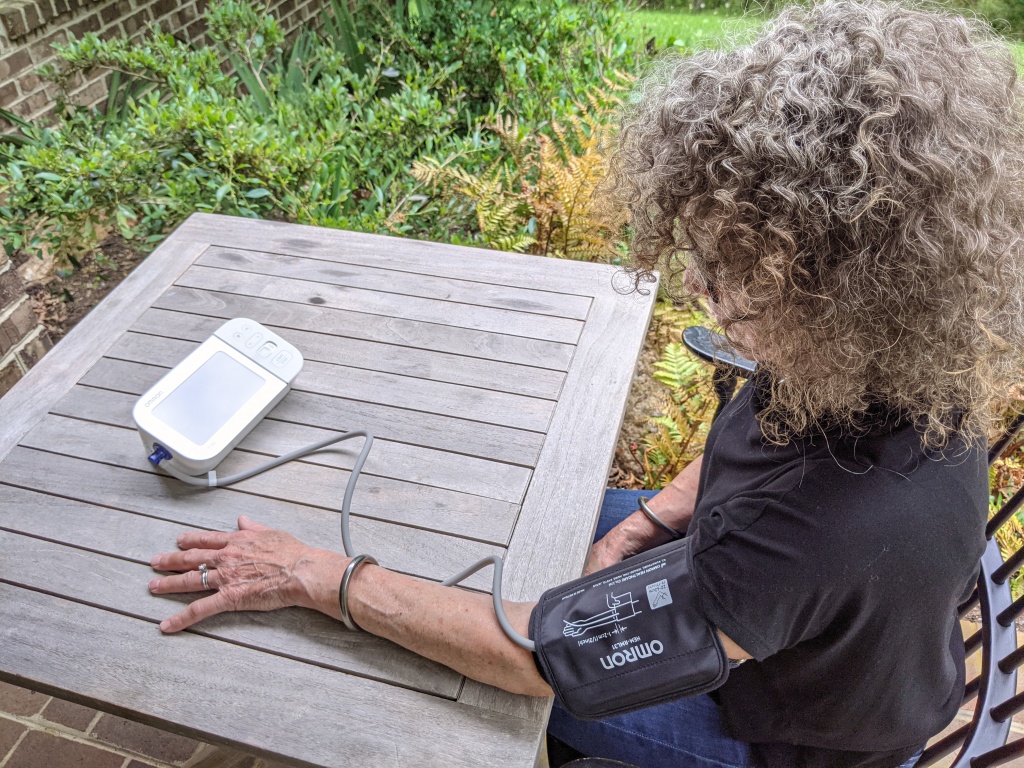
The Omron Platinum rose to the top as the most accurate blood pressure monitor we tested. In two rounds of testing, we didn’t register a single reading that varied 10 millimeters of mercury (mmHg) or more from our control. We look for this because that degree of inaccuracy could move you from one blood pressure classification group to another. The cuff is comfortable, and a simple and highly visible diagram helps you position it correctly. The large screen is easy to read, displaying your current reading on the right and letting you scroll through past readings on the left. One tester remarked, “I like that you can switch between users with a quick slide button and that the device will hold 100 readings for each of you.” Though the Omron Connect app (iOS and Android friendly) is more complicated than other options, it charts your readings and makes it easy to email them directly to your doctor.
The Platinum is the largest device in our test fleet. Despite finding it intuitive, some tasks present a learning curve, such as taking multiple measurements in a row to get a highly-accurate average. Also, transferring your data to the Omron Connect app to save more than 100 entries requires an additional step. If you have a systolic pressure above 210 mmHg, you’ll need to hold down the start button until it inflates 30 or 40 mmHg higher than your expected reading. Despite demanding a little more effort, this device is relatively straightforward, accurate, and helps you send readings directly to your doctor via the associated app. Overall, the Platinum is the best blood pressure monitor we tested, especially if two people plan on using it. If you are looking for something similarly reliable to carry with you when traveling, the Evolv Wireless, also by Omron, will set you back a little more in initial costs but won’t disappoint when it comes to performance.
Read more: Omron Platinum review
Best Value and Best for the Visually Impaired
Alcédo Upper Arm Monitor

Cuff Circumference: 8.7″ to 15.7″ | Memory: 120 entries each for 2 users
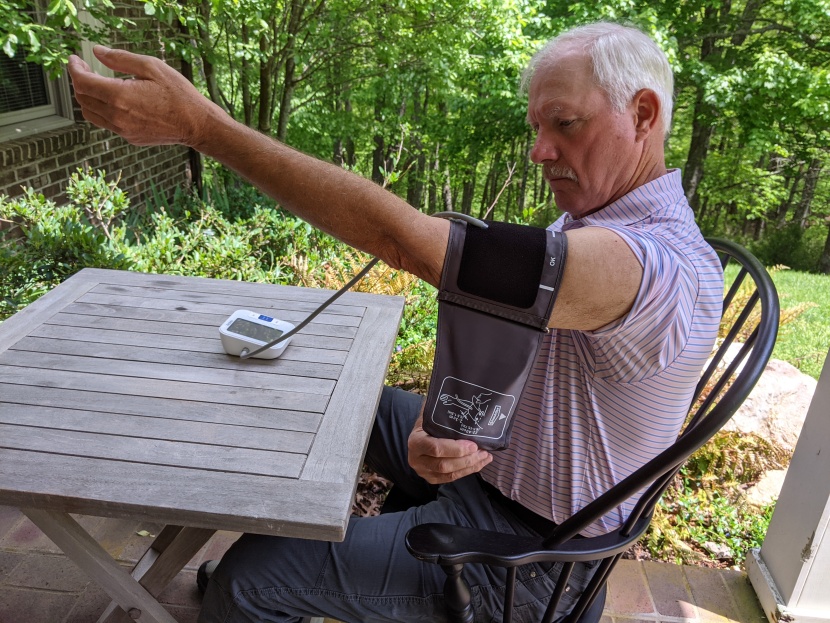
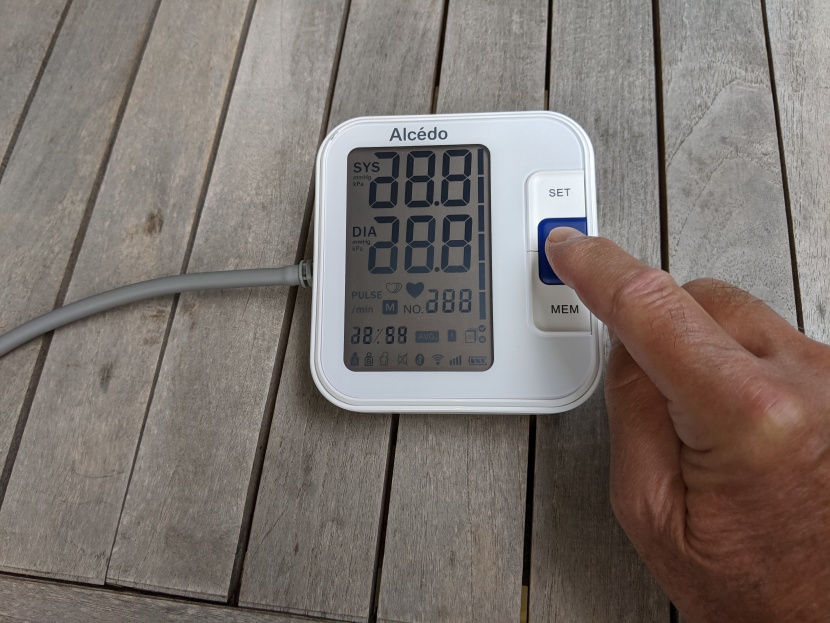
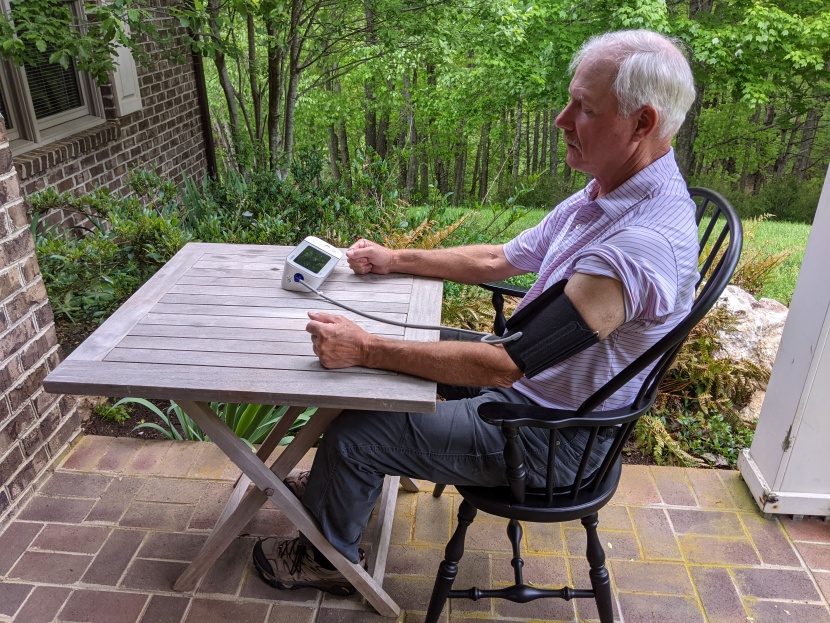
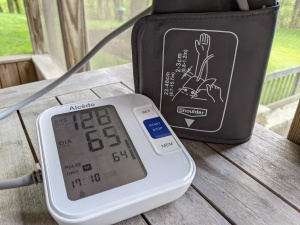
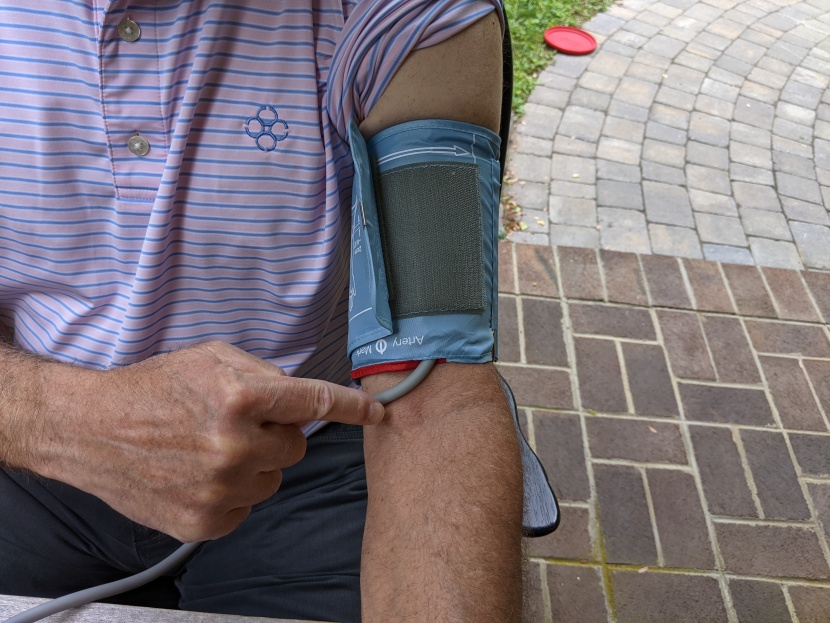
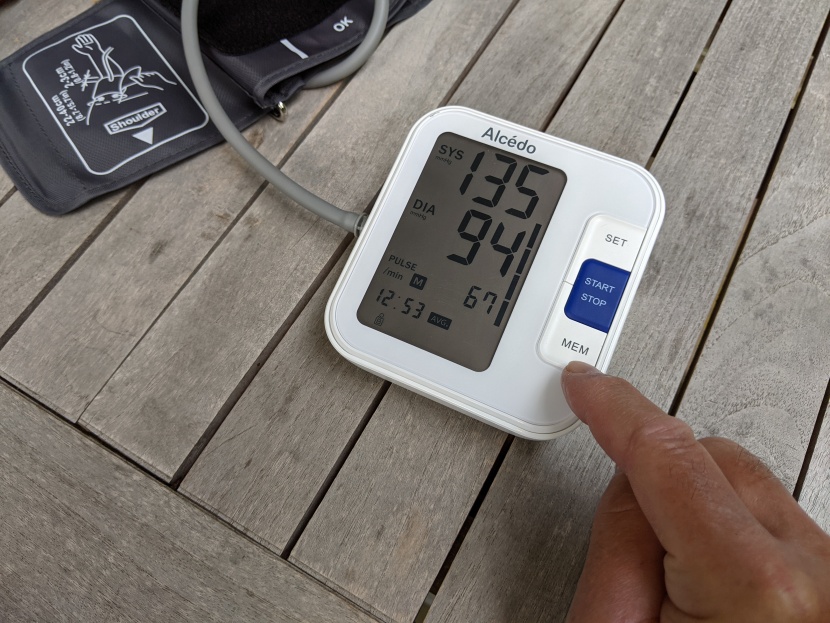
The Alcédo Upper Arm Monitor performed very well in our accuracy tests and is one of two monitors we tested that has a talking function. The voice helps guide you through the measurement process and lets you know if your reading is normal or elevated based on World Health Organization (WHO) standards. This feature is helpful for anyone but imperative for the visually impaired (you can mute the voice if you don’t enjoy it). The cuff is comfortable, clearly marks the point to align with your artery, and is curved to conform to your arm. This monitor is user-friendly, and we love the price tag.
The Alcédo stores 120 blood pressure measurements for two users, which pales in comparison to other devices with associated apps to send an unlimited number of readings. With that in mind, this may be enough storage for some users. A bigger concern is that you can accidentally erase all of your data by pressing the memory button (MEM) for too long, and our lead tester said, “It’s easy to do. Trust me.” We suggest writing your readings down or storing them in a spreadsheet to keep track of trends. Another consideration is that switching between users is not intuitive. We prefer models with a dedicated button for that specific purpose. Drawbacks aside, this affordable blood pressure monitor works well, making it a terrific choice for many and the best in the test for the visually impaired. The only other model we tested that also provides audio measurements is the ParaMed Automatic Accurate. While our tests reveal its accuracy isn’t quite as reliable as the Alcédo, it performed equally well across all other metrics and has a similar price point.
Read more: Alcédo Upper Arm Monitor review
Best for Travel or Solo Use
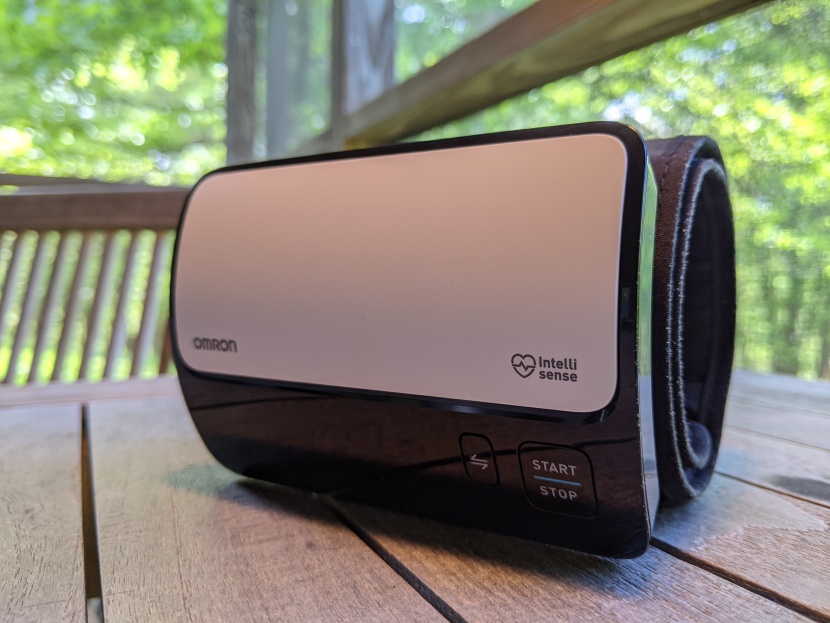
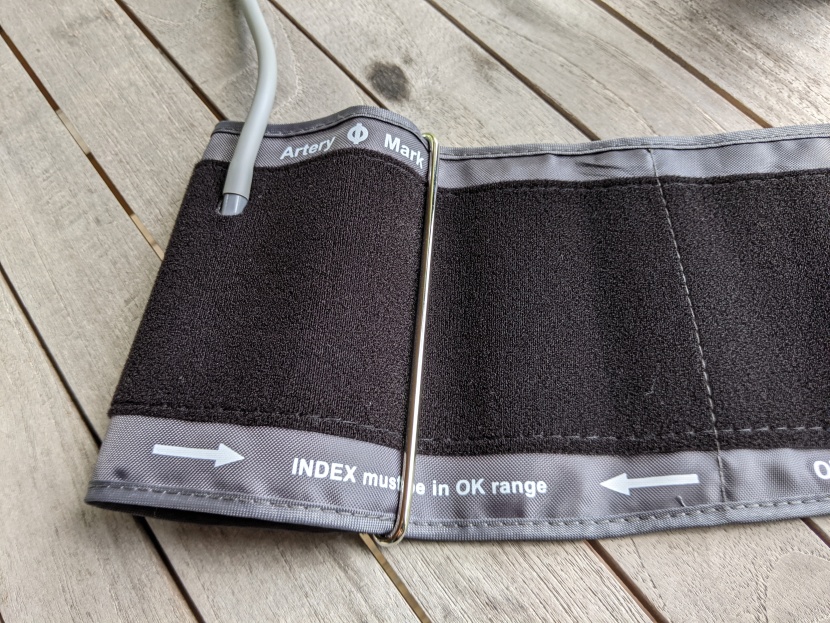
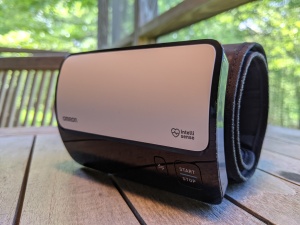
Omron Evolv Wireless

Cuff Circumference: 9″ to 17″ | Memory: 100 on device, unlimited on app
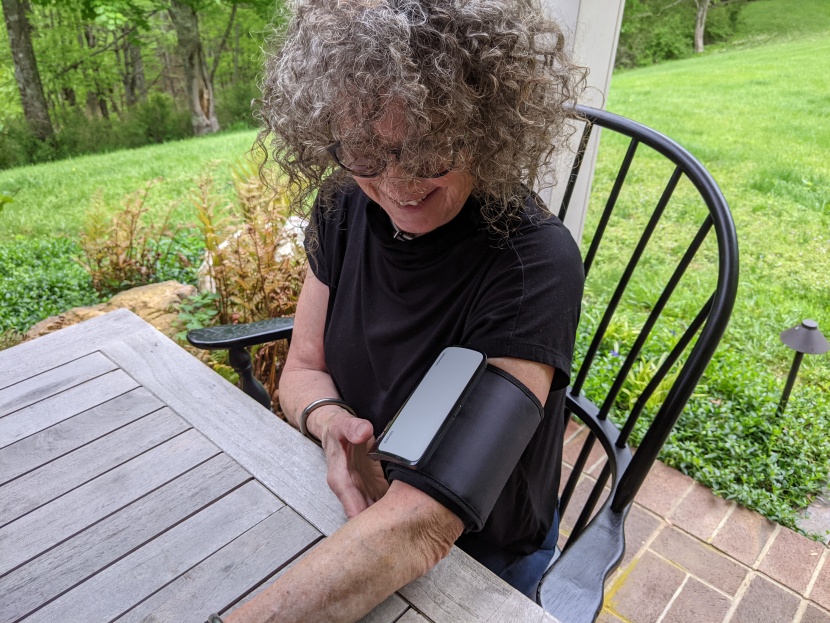
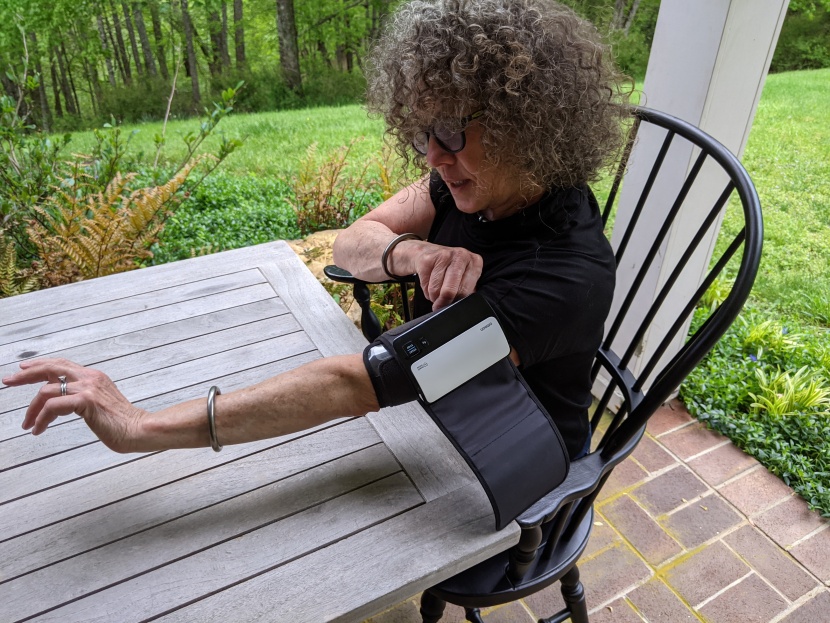
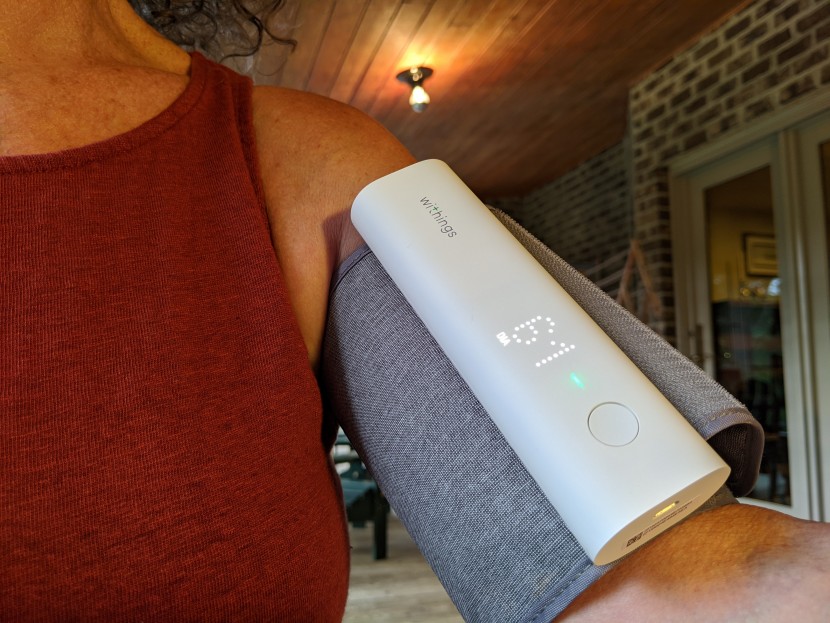
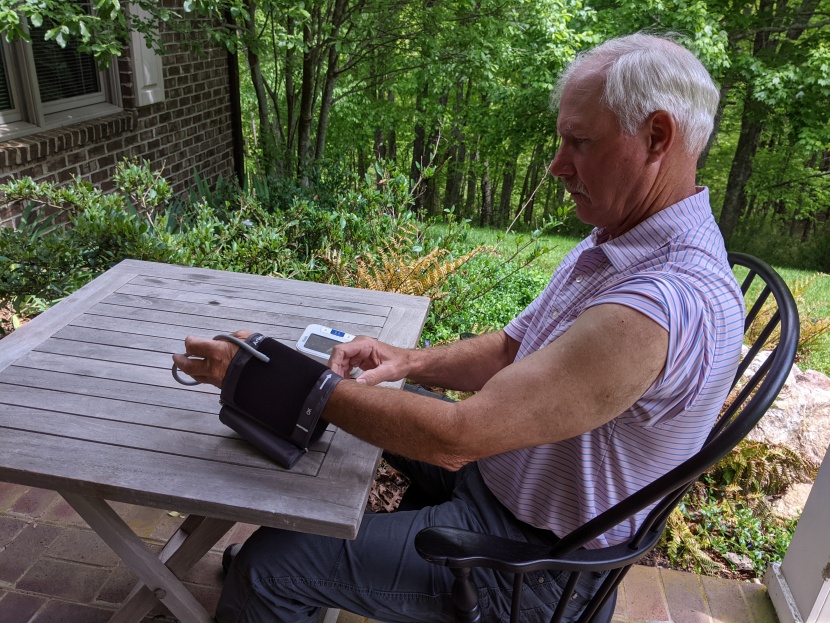
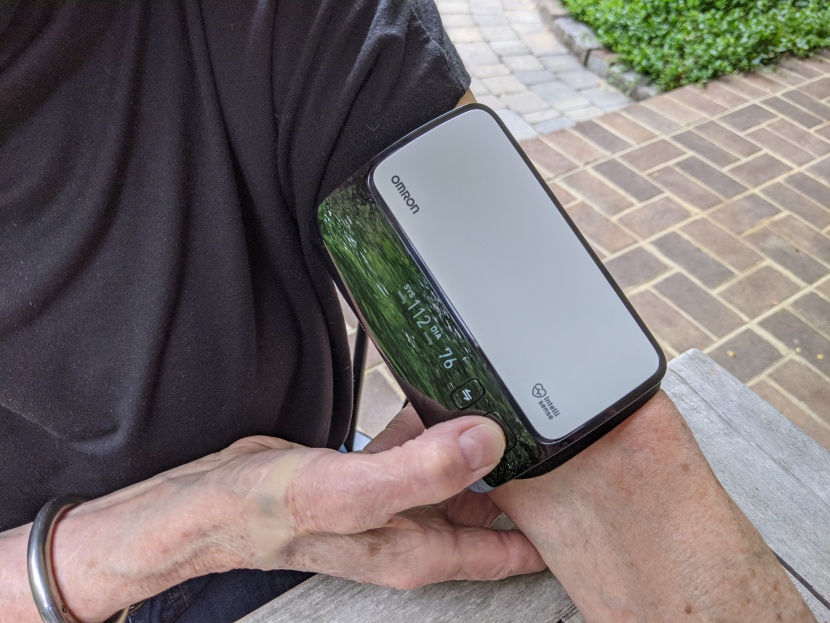
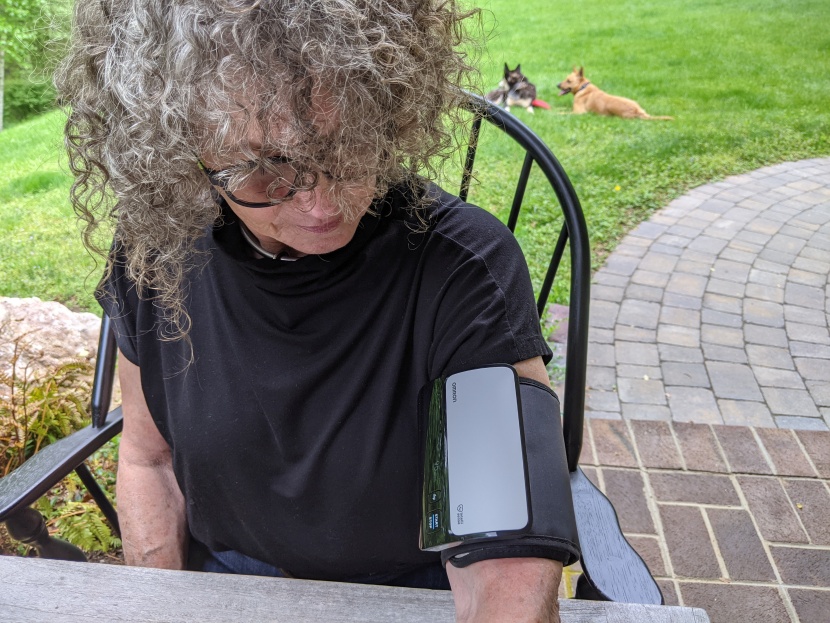
The Omron Evolv Wireless is tubeless, compact, simple to use, and among the most accurate options in the test. We recommend this model for travelers or those willing to pay a bit more for easy measurements. “The Omron’s molded cuff was the easiest model to wrap around my own arm, and it’s quite comfortable,” lead tester Clark Tate commented. The Evolv pairs with the Omron Connect app to store and retrieve data, but you can also get a single reading without the app or your phone. Simply press the start button, and the result will read out a ticker bar.
The downside is you can only view past measurements in the app and not the device itself. And you do need them since blood pressure trends are more helpful to your doctor than a single reading. The app is decent; it’s fairly easy to use and helps you visualize your data with daily, weekly, monthly, and yearly charts. We like that it color-codes your readings — green for normal, yellow for elevated, orange for stage one hypertension, and so on. The app also lets you email your results to yourself or your doctor. If you’re shopping for easy, accurate, and don’t mind spending more, the Omron Evolv Wireless is the one to get. Or, to save a bit of money, you could go with something a tad larger like the Platinum monitor, also by Omron. Although tubed and slightly less convenient for travel, we found it reasonably priced and very easy to set up and use, with consistently accurate results.
Read more: Omron Evolv Wireless review
Best XL Cuff Option
iHealth Track Smart
Cuff Circumference: 8.7″ to 18.9″ | Memory: 99 on device, unlimited on app
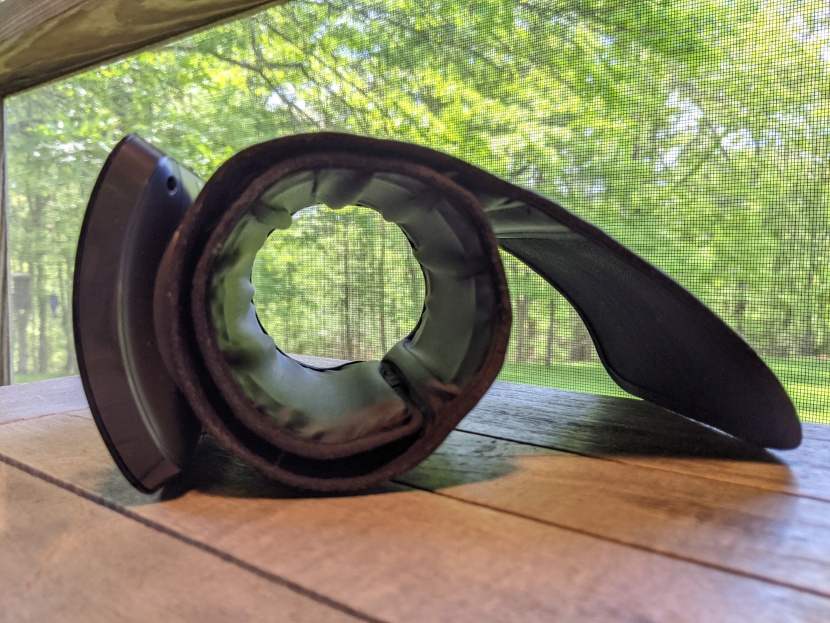
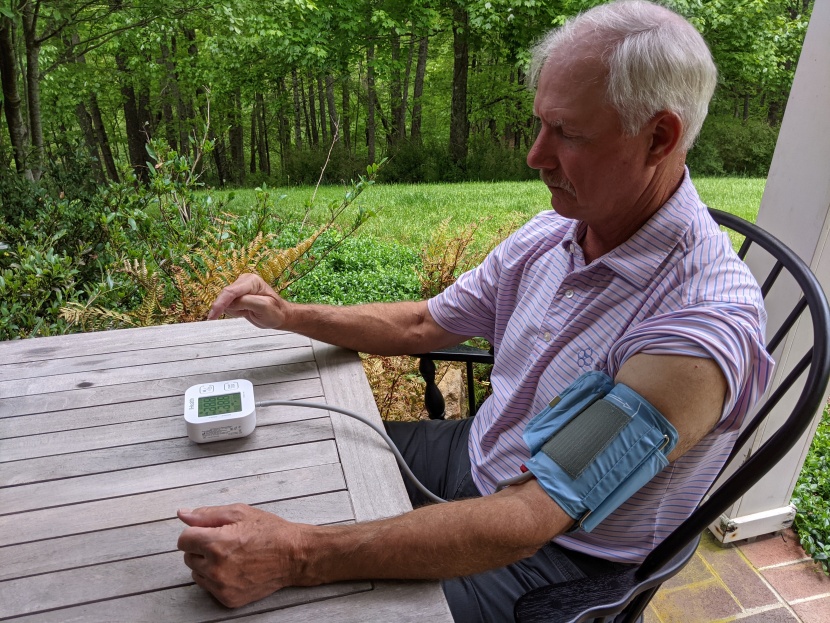
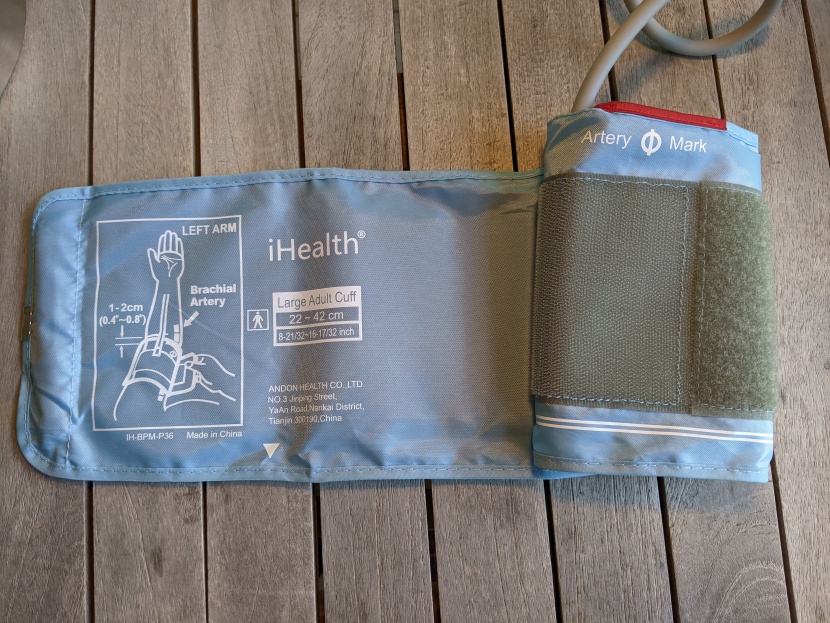
The iHealth Track Smart only achieved average results in our accuracy tests. The readings didn’t vary enough to concern us, but there are more consistent options available. Many factors can influence accuracy, and a major one is using the correct cuff size. Most of the models we tested max out at 17 inches, which isn’t that big. The iHealth’s standard cuff fits arms from 8.7 to 16.5 inches, but you can buy a compatible extra-large cuff that fits arms up to 18.9 inches. (The LifeSource Extra Large Cuff fits arms up to 23.6 inches, but it isn’t as accurate.) The monitor on the iHealth also has a bright display that changes color to draw your attention to your blood pressure category (green for normal, yellow for normal-high and stage one hypertension, and red for stages two and three). You also get unlimited memory on an associated app.
Aside from the option of purchasing a larger cuff, the iHealth monitor is undoubtedly average. We found the instruction manual a bit difficult to decipher. Fortunately, having tested so many other devices, we know our way around blood pressure monitors, so we eventually figured it out, but a first-time user might find it challenging to use. “I tried to contact iHealth customer service for assistance, but they sent the phone to voicemail and took a day to respond to my email,” our tester noted. Still, if you need a larger cuff, you need a larger cuff. We think iHealth will provide you and your doctor with useful information about your blood pressure. If a larger cuff isn’t a priority, the Upper Arm Monitor by Alcedo will be easier to pick up and operate upon purchase, with audible instructions to walk you through the process. It also provides highly accurate readings and the price point is comparable. If a tracking App is important to you or your doctor, we think it’s worth investing a bit more to purchase the Platinum by Omron, our favorite model overall that we tested.
Read more: iHealth Track Smart review
Product Comparison Table
“>
How We Tested
In the course of this review, we ran more than 300 individual tests to evaluate 12 blood pressure monitors over the past few years. To avoid bias, we purchase each monitor from the same retail websites and retail stores you use. While most blood pressure monitors work well most of the time, some models displayed concerning accuracy lapses, and we do not recommend them.
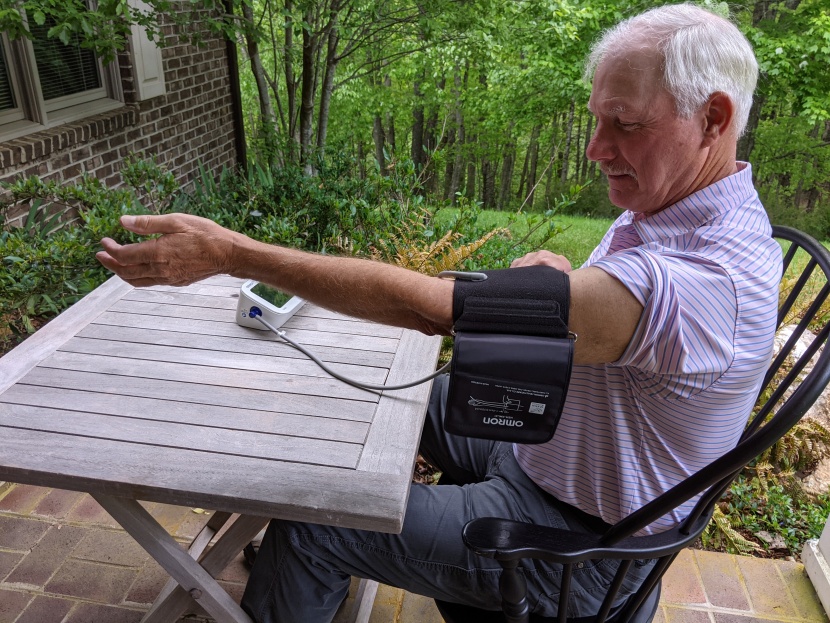
During our initial blood pressure monitor review, three medical doctors and a wilderness first aid certified tester designed our test protocols, taking control blood pressure measurements with a calibrated mercury sphygmomanometer and a stethoscope. (This is considered the gold standard of blood pressure measurements.) Then, they took test measurements with one to three test monitors.
“>
We repeated this process eight times for every monitor. Each is judged by how much they diverge from the control numbers. After much-supervised practice, our lead tester now takes her own control and test monitor readings. During testing, we used the monitors daily, and we tested them at the same time in the morning or evening and followed protocols that gave our arms time to rest. Our lead tester also downloaded and used all the accompanying apps to assess their storage capacities and user-friendliness.
Our blood pressure testing is divided across four different metrics:
- Accuracy (50% of overall score weighting)
- Ease of Use (20% weighting)
- Memory (15% weighting)
- Features (15% weighting)
Why Trust GearLab
Our core blood pressure test team is composed of Clark Tate and Dr. Glen Tate, her physician father. While Dr. Tate recently retired, he maintains his license and took innumerable blood pressure measurements during his 38-year career as a family practitioner. Clark is no stranger to the process either, having taken quite a few over the decade she’s held her Wilderness First Responder credential. She also earned a Bachelor’s and Master’s degree in Environmental Science and Land Use Policy from the University of Virginia, and spent years working as a river restoration ecologist in Colorado, ensuring she is now well-versed in field research and data collection. They ask whatever family and friends are nearby to join the tests to get as many perspectives and heart rates as they possibly can.
Analysis and Test Results
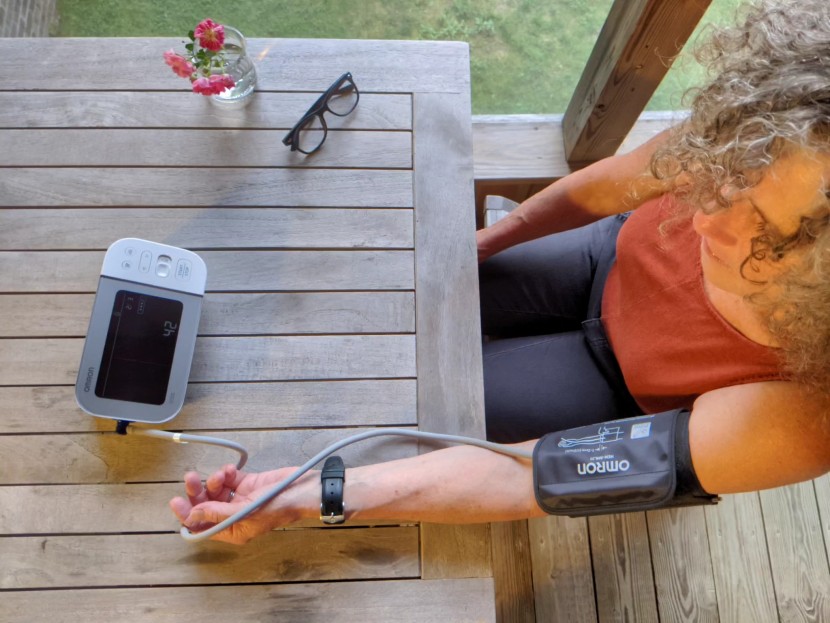
While wearing our arms out testing accuracy, we tried out all the features these monitors have to offer. We found out which ones work well and took notes on how easy these devices are to use. Overall, we’re impressed with these monitors’ price points and quality. We highlight the top models in each key performance area below.
What’s the Best Value?
You’ll get the best value out of a blood pressure monitor by finding the one that works for you. In some instances, that may mean spending a little more to meet your needs. If you tend to have higher blood pressure, need a highly accurate option, and would like to easily email your results to your physician, the top-notch Omron Platinum offers solid value. That’s doubly true if you have two people in your household that need to use it. But in most instances, we think the Alcédo offers the best value in the test. One of the most accurate options, it is also easy to use and has voice commands to instruct you and read your results out loud. It records 120 readings for two people if you want to share.
“>
Our test’s most compact and tech-friendly options are also the most expensive. Of the three wireless and tubeless options we tested, the Omron Evolv is the most accurate and the easiest to use. The extra cost may be worth it to you to avoid the hassle of wrapping and unwrapping tubes and wires.
“>