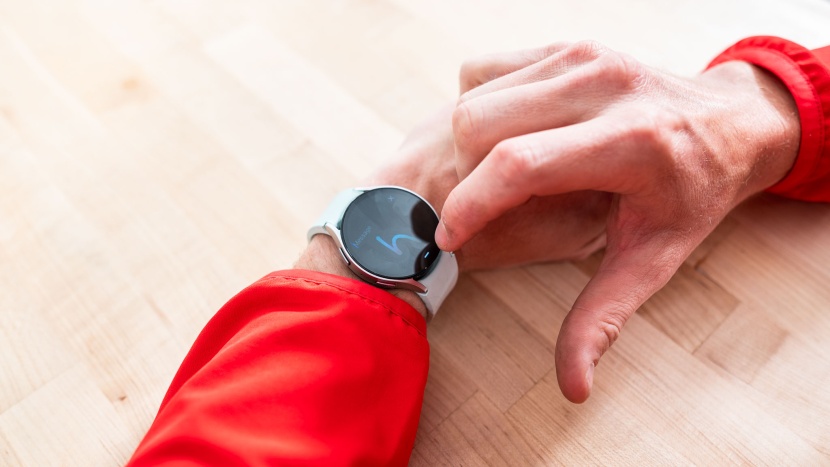
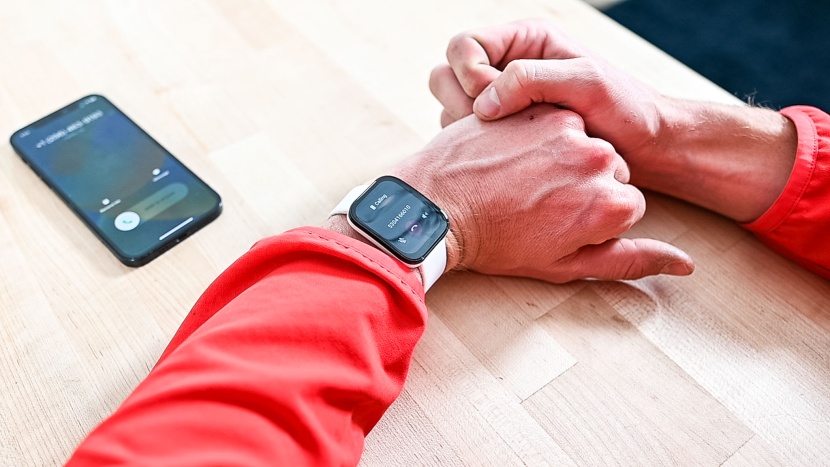
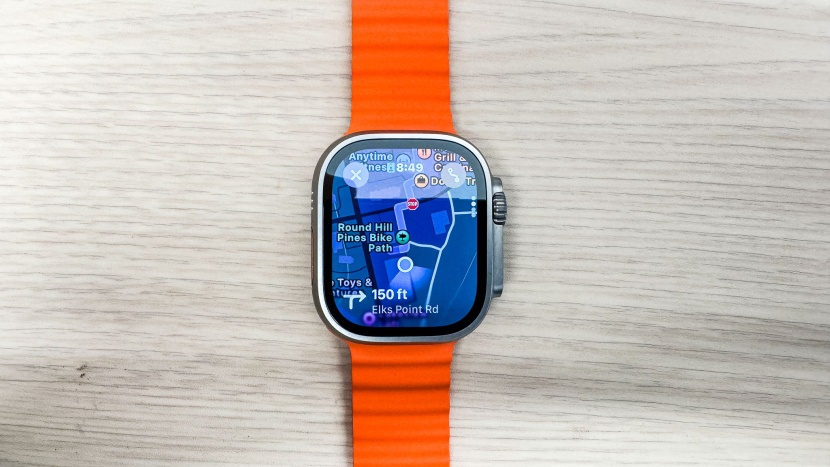
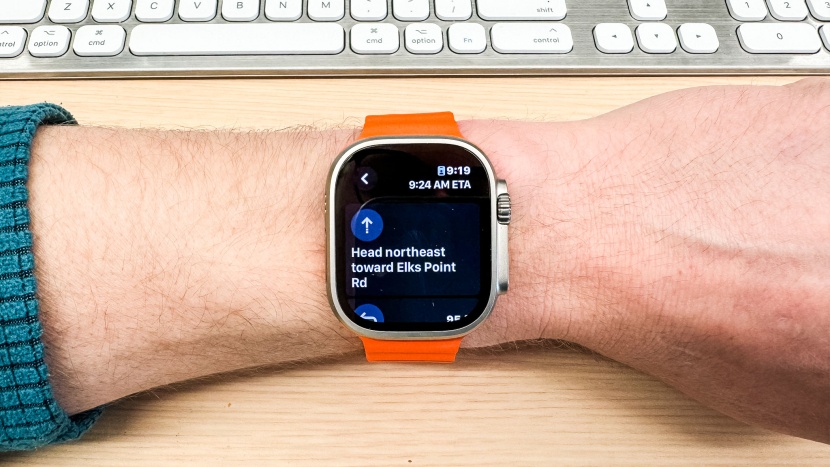
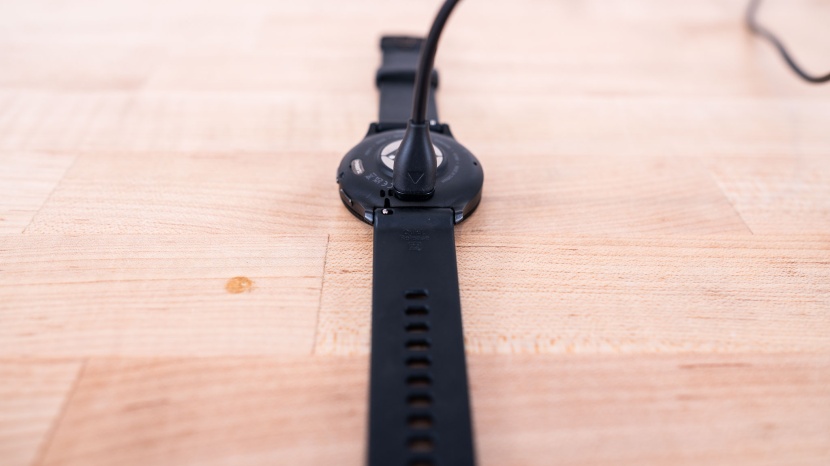
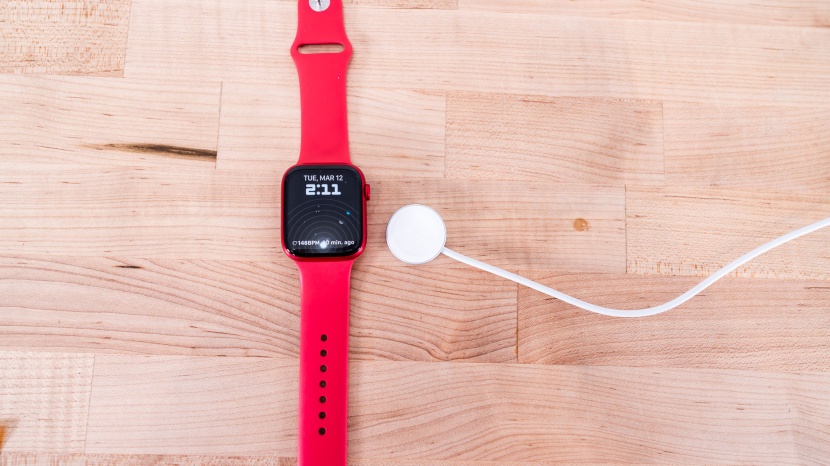
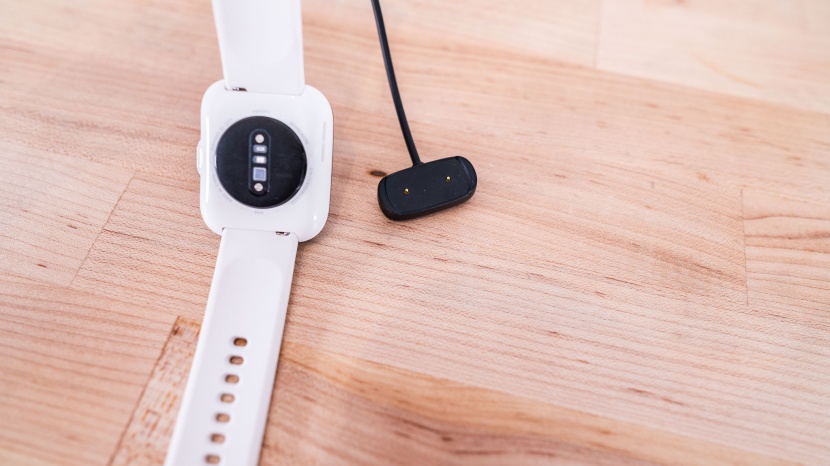
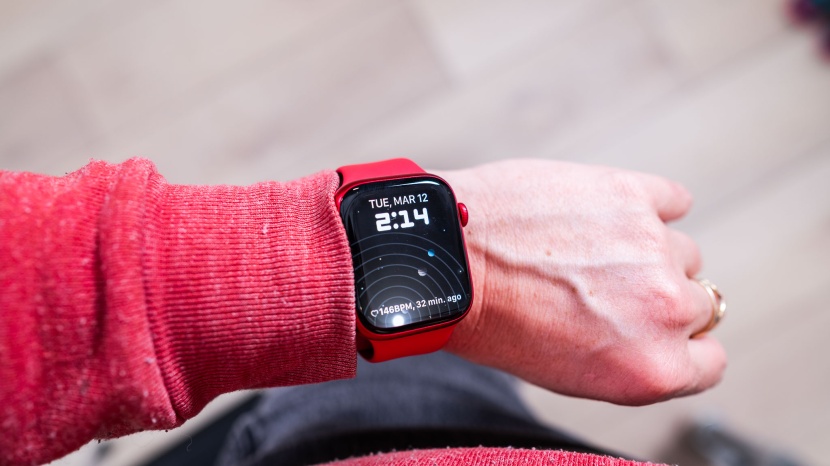
Smartwatches are a handy sidekick for streamlining connectivity. They can help you make calls, check messages, set reminders, track fitness metrics, and even navigate to destinations.
Our tech experts have bought and tested over 40 of the best smartwatches on the market, with the 10 most compelling options in this review. We devised a four metric testing system with hundreds of individual tests and evaluations to identify everything from the most capable smartwatch to the best fitness tracking tool.
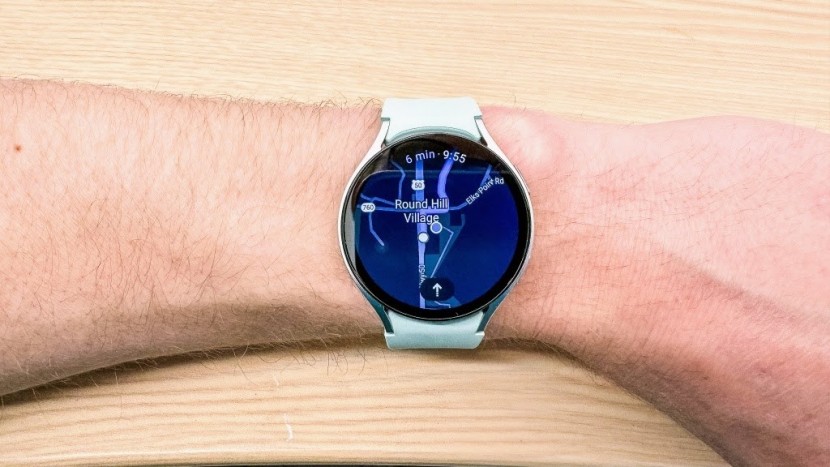
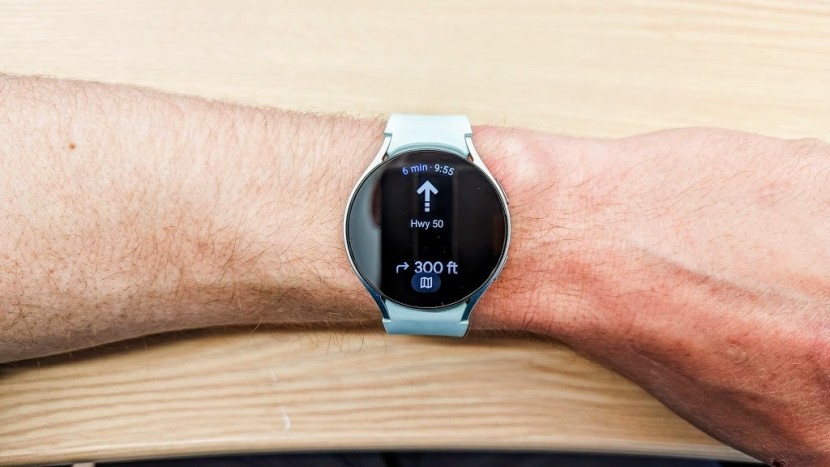
For Apple users, our favorite model overall is the Apple Watch Series 9, which offers all-around incredible performance and seamless compatibility. For Android users, we like the Samsung Galaxy Watch6 for its appealing display, smart functionality, and GPS navigation.
If you’re shopping on a very limited budget, the Amazfit BIP 5 is a lightweight model offering basic functions at a much lower price.
In the market for other nifty gadgets? Our team has extensively tested other types of wearable tech items, from top-rated fitness trackers to the best VR headsets, to help you find what fits your needs and budget.
Quick Look
The Best Smartwatches
Full results from testing 10 top products are in our Product Comparison Table and Analysis & Test Results sections.
Best Overall Apple Smartwatch
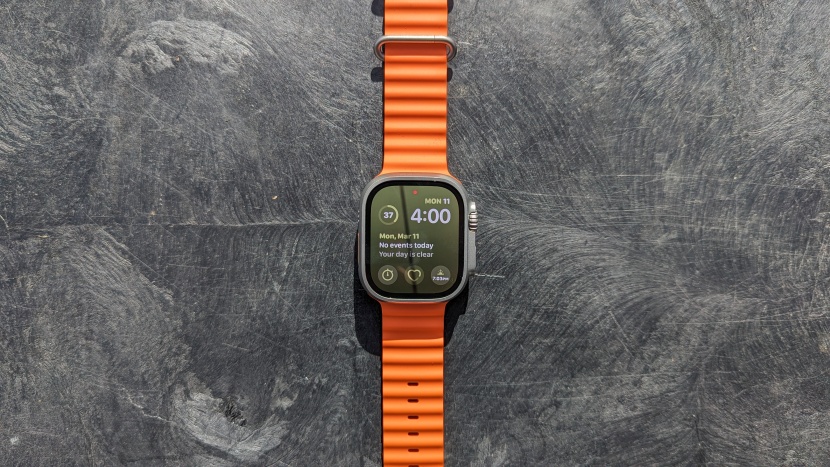
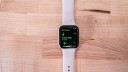
Apple Watch Series 9

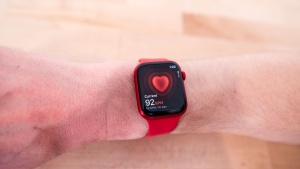
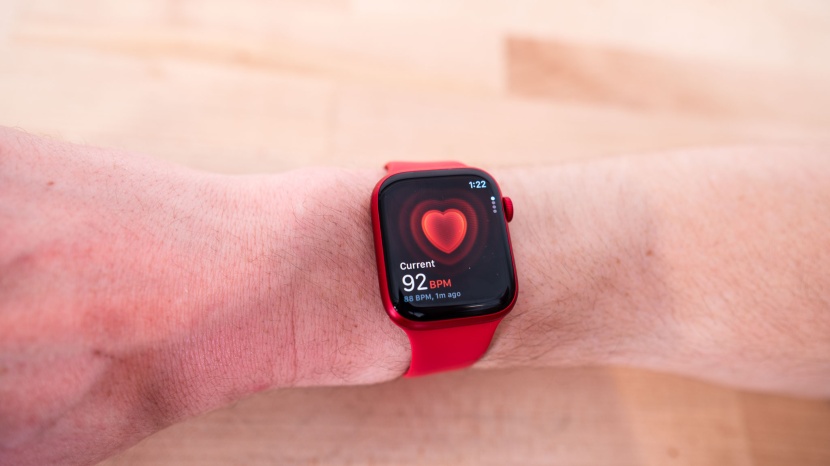
For fans of the Apple ecosystem, there is no better smartwatch than the Apple Watch Series 9. Interestingly, it did not earn top marks in any of our individual testing metrics — in fact, it ranks 5th out of the 10 models we tested in our Health and Battery Life metrics. What the Series 9 offers is exceptional performance overall, especially considering its price point relative to other high-end watches in our lineup. For Apple and iPhone users, high scores across the board translates to seamless integration into your daily routine. As our lead tester, Sentry Kelly, puts it, “Apple standardizes their experience so well. The Watch app [on the Series 9] looks just like the interface you experience on your iPhone and it makes for super intuitive use.”
All three of the Apple Watches utilize Apple’s industry-leading native apps, making them functionally comparable to each other. The Series 9 has excellent call quality, with one tester noting that it is “basically as good as the iPhone itself”. Scribbling texts on the 1.77 square-inch screen is easy, though we typically prefer to use the efficient voice-to-text function. Don’t be thrown off by the relative position of the Series 9 in our Health metric — if you examine the score closely, you’ll see that the differences among our top contenders are fractions of a point. We assessed the accuracy of the GPS on each watch in two separate tests, and in each instance, this watch proved itself 100% accurate. Thanks to a super bright, 1,260-lux backlit display and minimal glare from an Ion-X glass screen, the Series 9 is one of the best options we tested for GPS navigation.
| Charge Time | 61 min |
|---|---|
| Battery Life – Regular Use | 55.6 hr |
| Battery Life – GPS | 11.1 hr |
| Measured Weight | 38.6 g | 1.36 oz |
| Measured Body Dimensions | 4.52cm x 3.81cm x 1.32cm | 1.78″ x 1.50″ x 0.52″ |
You might be surprised that the Series 9 took our highest honors, considering the Ultra 2 scores a few points higher overall. In the end, it comes down to price versus performance. The Series 9 delivers 95% of the performance of the Ultra 2 for nearly half the cost. It also improves upon the more affordable Apple Watch SE in a few key areas. Besides a 17% larger screen, which is not particularly noticeable when reading emails or texting, our tests show the Series 9 charges 113% faster than the SE. We find this especially remarkable considering that the 308 mAh battery on the Series 9 also offers an additional 28 hours of estimated battery life (without GPS enabled).
Despite its lightning-fast charging speeds, the smartwatches with the longest battery lives run 2.5x longer than the Series 9. This is certainly where the Ultra 2 has the upper hand over the Series 9 — its huge 564 mAh battery provides an additional 54 hours of estimated battery life in regular use, and an additional 6.5 hours if you’re using GPS navigation. Apple and Android have drawn hard battle lines, so it is important to point out that the Series 9 is not compatible with anything other than iPhones. Android users: you’ll want to look at the Galaxy Watch6, coming up next.
Read more: Apple Watch Series 9 review
Release of the Series 10
We are currently testing the Apple Watch Series 10 and we plan to update this review once we’ve had adequate time to test it against the rest of our lineup.
Best Overall Android Smartwatch
Samsung Galaxy Watch6

We recognize that many of our awards focus on Apple watches, which is just a reality of the market share among smartwatch users (at least in the United States). But that doesn’t mean that there aren’t fantastic options for Android users, among which the Samsung Galaxy Watch6 stands out. Similarly to the award-winning Apple Watch Series 9, the Watch6 doesn’t shine in any particular metric — it falls short to the Garmin Venu 3 and Google Pixel Watch 2 in our Health metric, and ranks 6th out of 10 models tested for Battery Life. But our side-by-side testing proves its overall value, one that might even make some Apple users jealous. In our tests comparing the Smart Function of these watches, our lead tester noted that the Watch6, “might have the most clearly laid out and all-encompassing native app of the entire lineup.”
Android users will feel at home with the intuitive interface of the Watch6, which includes familiar icons used by other Galaxy and Google devices. Call quality is a notch above the rival Pixel Watch 2 — “It is very loud and fairly clear, with just a slight muffled sound,” one tester remarked, also noting that it didn’t exhibit any of the static we noticed from the speaker of the Pixel Watch 2. The 1.77-square-inch display on the Watch6 is 47% larger than the face of the Pixel watch, which also makes scribbling or typing texts much easier. Our testers all agree that the haptic bezel is more finicky than a physical, rotating bezel, though this issue can be remedied by upgrading to the Watch6 Classic. All considered, the Watch6 is still the top Android option for communication, especially if you want to use your new smartwatch to conduct business.
| Charge Time | 83 min |
|---|---|
| Battery Life – Regular Use | 62.5 hr |
| Battery Life – GPS | 9.1 hr |
| Measured Weight | 33.2 g | 1.17 oz |
| Measured Body Dimensions | 4.29cm x 4.45cm x 1.3cm | 1.69″ x 1.75″ x 0.51″ |
The GPS on the Watch6 proved to be 99.17% accurate in our outdoor walk test. Combined with the size and clarity of its Super AMOLED display, it is one of our favorites for GPS navigation. Even though it fell behind other top performers in our Health metric, the Watch6 is still a solid option for active among us who want to closely track their fitness — it really only trails by a fraction of a point. The main shortcoming is a less-than-accurate heart rate sensor, which is one reason we prefer the Garmin Venu 3 for tracking our workouts. The other major reason you may opt for the Venu 3 is its vastly superior battery life.
The Watch6 offers an estimated 62.5 hours of battery life (without the GPS enabled). In our opinion, it’s not bad if you have to charge your watch once every third day, especially considering that our tests verify it achieves a full charge in 83 minutes and a 50% charge in as little as 30 minutes. In contrast, the Venu 3 runs for a remarkable 143 hours without the GPS enabled — particularly remarkable considering that these two watches have approximately the same size battery. If you regularly go off-grid or you are particularly focused on tracking your fitness, go with the Venu 3. If you simply want your new smartwatch to sync to the rhythms of your work-life balance, then we’re going to choose the Watch6 every time.
Read more: Samsung Galaxy Watch6 review
Release of the Watch7
Samsung also released the Samsung Galaxy Watch7 after we wrapped up the comparative testing for this review. We will update this review with our latest findings after we have had time to thoroughly test these new releases.
Best Buy in Smartwatches
Apple Watch SE

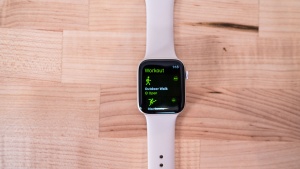
The Apple Watch SE presents an extraordinary value among all of the smartwatches in our lineup, particularly so when you compare it side-by-side with the premium Apple Watches we tested. Its iOS interface runs the same native apps — Apple Watch, Health, and Fitness — as the Series 9 and Ultra 2, which means that all three watches are functionally equivalent, as far as apps go. The value of the SE becomes even more apparent when you look closely at our two most important test metrics, Smart Function and Health, which comprise 70% of a product’s overall score. In these tests, the SE actually scores a fraction (0.2 points) higher than the Editors’ Choice award-winning Series 9, and only 0.1 point behind the top-end Ultra 2. These results are razor thin, yet it highlights the fact that the more affordable SE easily hangs with its more expensive siblings in the most meaningful ways.
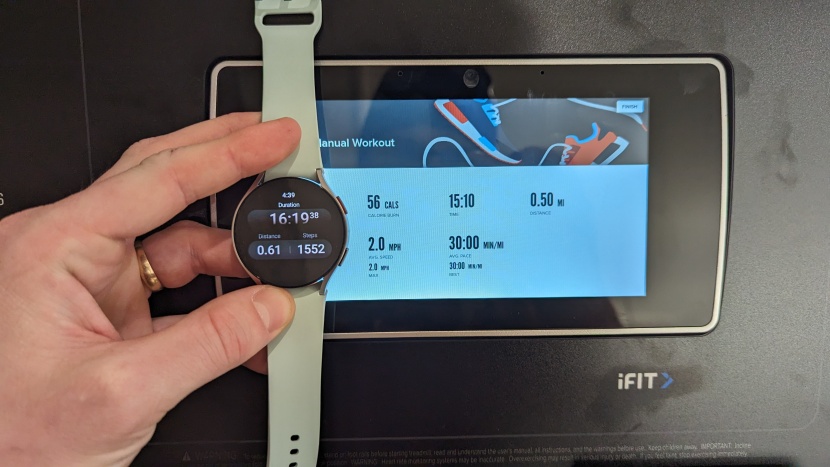
Even though they feature the same screen (an OLED display covered by Ion-X glass), the 1.51-square-inch screen on the SE is 17% smaller than the Series 9. “The only reason I scored these watches differently is because having a larger screen makes texting and scribbling on the watch keyboard slightly easier,” Sentry, our lead tester, noted. While this gives the Series 9 a slight advantage in our Smart Function tests, the sensors on the SE proved to be a touch more accurate in our fitness tests. The GPS tracking on the SE isn’t quite as accurate, which is why we prefer the Series 9 for navigation. However, in our step counter test, the SE proved to be 98.98% accurate compared to the 96.84% accuracy of the Series 9. It may seem like we’re splitting hairs here, and we are. The point of this direct comparison is that the SE performs as well as, or better than, the Series 9, yet it lists for two-thirds of the price. That’s the definition of exceptional value in our book.
| Charge Time | 125 min |
|---|---|
| Battery Life – Regular Use | 27.8 hr |
| Battery Life – GPS | 12.5 hr |
| Measured Weight | 33.5 g | 1.18 oz |
| Measured Body Dimensions | 4.45cm x 3.81cm x 1.32cm | 1.75″ x 1.50″ x 0.52″ |
So then, where does the SE fall behind the other two Apple Watches? In our Battery Life tests. As you move up in price point, each subsequent watch includes a larger battery, which directly influences run time. Our tests show that with regular use (without GPS enabled), the Ultra 2 will run for an estimated 100 hours, the Series 9 for nearly 56 hours, and the SE for not quite 28 hours. However, the more remarkable difference is actually in charge time. Our charging test proved that the SE charges 43% slower than the Ultra 2 and 53% slower than the Series 9. To put that into a real-world context, in the same 61 minutes that it took to charge the SE to 56%, the Series 9 achieved 100% charge. This is certainly the main drawback to the SE — although considering the savings, we’re willing to charge our new smartwatch every day.
Moving up in price point, the Apple Watches have a few other notable upgrades. Both the Series 9 and the Ultra 2 are built with Apple’s S9 SiP chip — a more refined and slightly faster dual-core processor — and they double the storage capacity with a 64 GB memory card. You also gain an electrical heart sensor as well as the optical sensor, enabling access to the electrocardiogram (ECG) app. Yet, these are premium features that are not necessarily proportional to the increase in price. In contrast, the SE delivers 97% of the performance of the Series 9 for a fraction of the cost. If you are a dedicated iPhone user, the SE is a reasonably affordable smartwatch that offers exceptional performance relative to its price point.
Read more: Apple Watch SE gen 2 review
Best Buy Under $100
Amazfit BIP 5

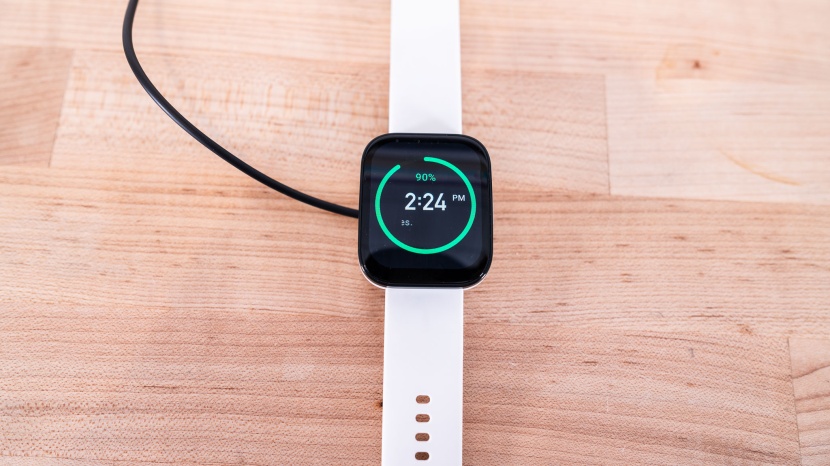
If you are seeking an extremely budget-friendly entry into the world of smartwatches, then the Amazfit BIP 5 is a compelling choice. It offers intuitive proprietary apps and third-party apps to extend basic functions and add personalization. This model handles phone calls well, although texting is limited to automated responses. It is also a capable health monitoring and fitness tracking device, even though our testers did have issues with the GPS establishing connections, as well as GPS accuracy.
| Charge Time | 110 min |
|---|---|
| Battery Life – Regular Use | 33.3 hr |
| Battery Life – GPS | 6.3 hr |
| Measured Weight | 26.4 g | 0.93 oz |
| Measured Body Dimensions | 4.6cm x 3.81cm x 1.27cm | 1.81″ x 1.50″ x 0.50″ |
The app might not deliver the same mature experience or expansive ecosystem you find with Apple Store or Google Play Store offerings. That being said, you’ll find most of your app needs met, and a premium app option offers greater features and functions. Its large display and battery life also can’t outshine or outlast the highest-end watches we tested, but you’ll be hard-pressed to find a better-performing or more capable smartwatch at the price point. If your budget allows it, you can get better all-around performance from the Apple Watch SE gen 2 or the Samsung Galaxy Watch6.
Read more: Amazfit BIP 5 review
The Premium Apple Watch
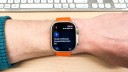
Apple Watch Ultra 2


The Apple Watch Ultra 2 is the premier option in the Apple Watch line, and our comparison tests prove that it is truly an exceptional smartwatch. Even though it runs the same native apps as the iOS-powered Series 9 and SE, a few premium upgrades essentially supercharge the Ultra 2. Its huge, 1.83-square-inch display is 4% larger than the rival Series 9, and our luminosity tests prove that it is 114% brighter. This not only offers uncommon clarity, even in direct sunlight, but the slightly larger screen gives the Ultra 2 a notable edge when scribbling texts or typing on its full-sized (albeit tiny) keyboard. Even though our charging test proves the Series 9 charges 20% faster than the Ultra 2, the enormous 564 mAh battery on the Ultra 2 offers an additional 54 hours of estimated battery life (without GPS enabled).
The Ultra 2 is the only Apple Watch in our lineup that has been tested to a MIL-STD 810H standard. Combined with its three-microphone array and wind noise mitigation, call quality is so excellent with this watch that you could theoretically take calls while climbing a mountain at 15,000 feet. It is also rated for recreational SCUBA diving (EN 13319) and thus includes a depth gauge up to 40 meters (130 feet). The dual-frequency GPS is also remarkably accurate — it is one of very few watches to earn perfect scores in our three GPS tests.
| Charge Time | 135 min |
|---|---|
| Battery Life – Regular Use | 100.0 hr |
| Battery Life – GPS | 16.7 hr |
| Measured Weight | 61.8 g | 2.18 oz |
| Measured Body Dimensions | 4.93cm x 4.32cm x 1.45cm | 1.94″ x 1.70″ x 0.57″ |
So the question is: do you really need a smartwatch as exceptional as the Ultra 2? Our testers all agree that “most of the additional features on the Ultra 2 are overkill for most people.” In almost every meaningful way, the Series 9 directly rivals the more premium option — it essentially offers 95% of the performance for nearly half the price. The main advantage of the Ultra 2 is the extra battery life, which is certainly an advantage if you’re regularly going off-grid. Even though the quality of the OLED display on the SE can’t quite compare with the crisp display on the Ultra 2, in our outdoor visibility tests (where a bright screen counts the most), the differences were negligible.
For us, what it all comes down to is the price point. The Ultra 2 is a small investment, but what you get in return is the best Apple has to offer in terms of wearable communication, display quality, and battery life. Like the display of the Samsung Watch6, the sapphire crystal screen surface just cannot be beat when it comes to durability. To test the difference between this surface and the more popular Gorilla Glass, our lead tester wore two watches to the climbing gym. By the end of the session, the Gorilla Glass had a few fresh scratches while the Ultra 2 still looked brand new. If you demand this type of rugged functionality, then this watch may well be worth it. For most of us, we’ll opt for the Series 9.
Read more: Apple Watch Ultra 2 review
Top Pick for Health and Fitness
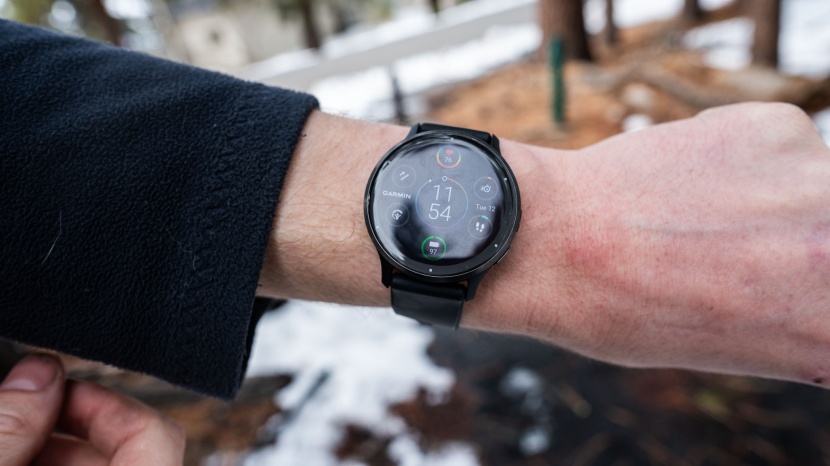
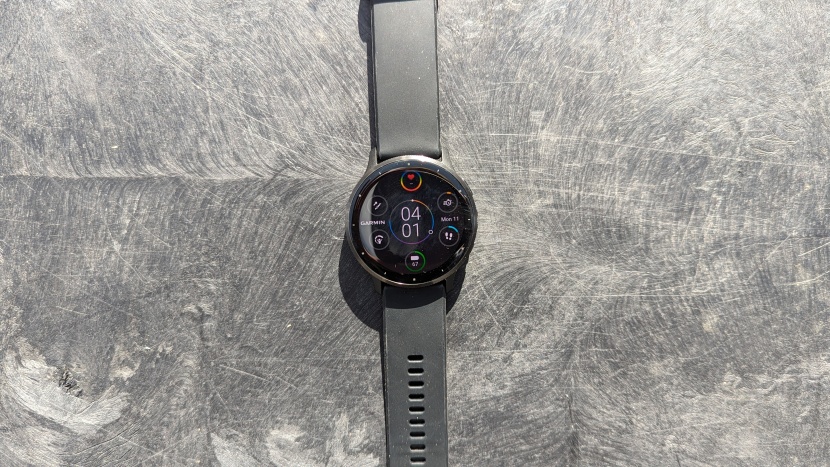
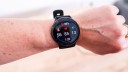
Garmin Venu 3

Water Resistance: Up to 50m | NFC: Yes, Garmin Pay
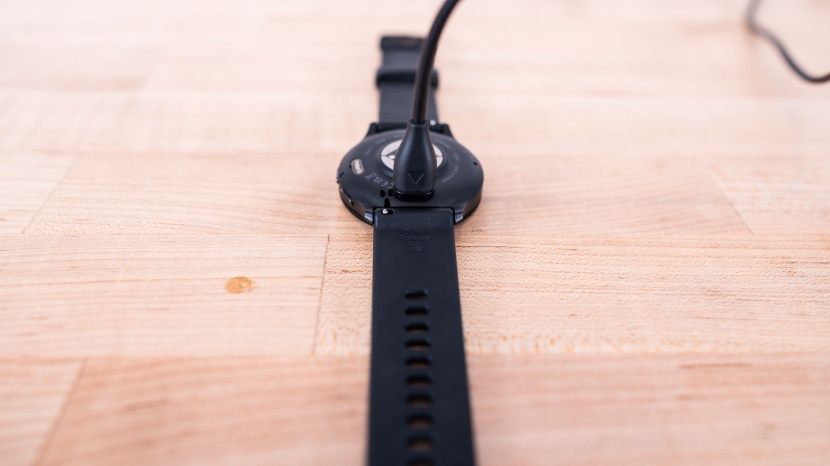
For adventurous types who need their battery to last for many days, there is no better option than the Garmin Venu 3. This agnostic smartwatch is compatible with Apple and Android phones, and we estimated its battery life at an incredible 143 hours. It can even run for an impressive 20 hours with GPS turned on, more than 3 hours longer than the Ultra 2. Its health-related sensors are only rivaled by the Pixel Watch 2, though the Venu 3 far outstrips that other watch when it comes to tracking your workouts, with ample customization for already well-tuned activity-specific modes. Whether you are interested in metrics for climbing, stand-up paddleboarding, snowshoeing, or pickleball, you’ll find not only the workout type to match your fitness routine but also a wealth of trackable data tailored to your specific sport.
| Charge Time | 83 min |
|---|---|
| Battery Life – Regular Use | 142.9 hr |
| Battery Life – GPS | 20.0 hr |
| Measured Weight | 30.1 g | 1.06 oz |
| Measured Body Dimensions | 4.5cm x 4.5cm x 1.35cm | 1.77″ x 1.77″ x 0.53″ |
The tradeoff for fitness-focused functionality is a less mature app ecosystem compared to system-built watches like the Apple Series 9 or Galaxy Watch6, or even the Pixel Watch 2. The Venu 3 offers exceptional call clarity (at least for the caller), but it lacks basic texting functions. You can only preview texts, and only Android users will be able to type with an on-screen keyboard. The Venu 3 also lacks a native mapping feature, which is surprising given that the smartwatch is built by a manufacturer that has staked its claim on GPS devices. This addition would be a boon to the native Garmin app, especially considering that the display quality is particularly good, especially for a watch with a more basic AMOLED display and Gorilla Glass screen. Our test team noted that during outdoor activity, the screen on the Venu 3 has “a nice contrast, with minimal glare,” giving adventurous types one more reason to consider this sporty smartwatch.
Read more: Garmin Venu 3 review
Product Comparison Table
How We Tested
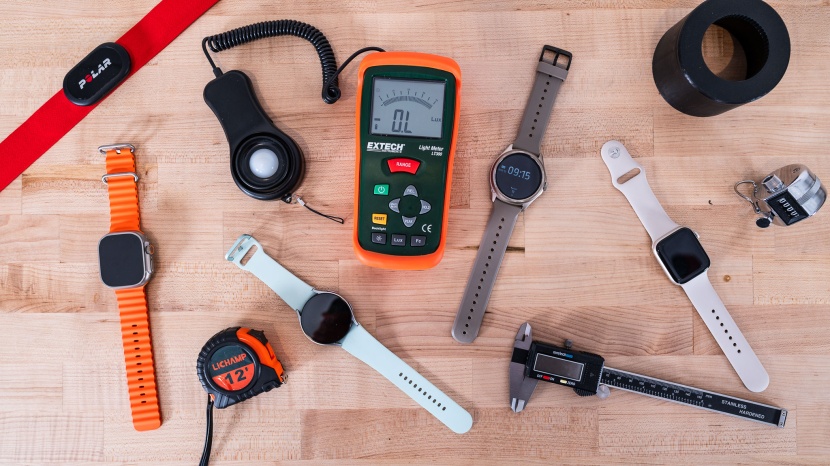
After researching top models, then purchasing only the most promising smartwatches, we evaluated every aspect and conducted rigorous side-by-side tests and assessments to validate their claimed merits. We tested smart functions, which includes proprietary apps and app quality, app ecosystems, third-party app availability, call quality, texting abilities, and native GPS mapping. We also evaluated health monitoring and fitness tracking, which included validating sensor accuracy and exploring workout types and data quality. Our team measured display quality through evaluation as well as in-house testing for brightness and glass hardness. Finally, our team pushed every model to the limit of battery life under two typical real-world scenarios, and also recorded recharging rates. Keep reading to learn how each smartwatch measures up in each of these key metrics.
Our smartwatch testing is divided across four rating metrics:
- Smart Functions (40% of overall score weighting)
- Health (30% weighting)
- Battery Life (20% weighting)
- Display (10% weighting)
Why Trust GearLab
We began with copious amounts of product research to determine which watches were the most intriguing. We then purchased those models at full price. We never accept free units to review, so we have no financial incentive to pick one product over another.
For years, our smartwatch testing process has been conducted and advanced by Jessica Riconscente . Jessica’s experience in product development has been invaluable to our smartwatch testing process. She has brought new and improved methods to make sure our reviews are the best.
Leading the charge and revamping our in-house testing process to produce the highest quality data is in-house tester Sentry Kelly. Sentry’s incredible attention to detail and a strong passion for capturing and interrogating data provided our writer for this review, Ben Hickok, with every metric and datapoint needed to confidently share findings in a relatable way. Ben is an avid sportsman, adventurer, and tech professional, and brings a discerning eye to the analysis of the datasets produced by the extensive work of our in-house test team.
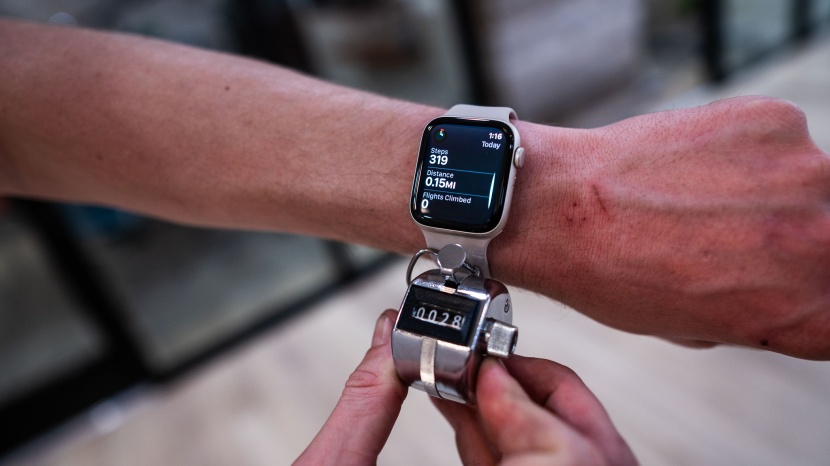
Analysis and Test Results
Before we dive into the nitty-gritty details of how these watches performed in our tests, we want to take a moment to discuss how we scored these products. We weighted each metric proportionally as it relates to overall performance. For example, we’re willing to sacrifice a bit in terms of display quality as long as a smartwatch performs smart functions well.
“>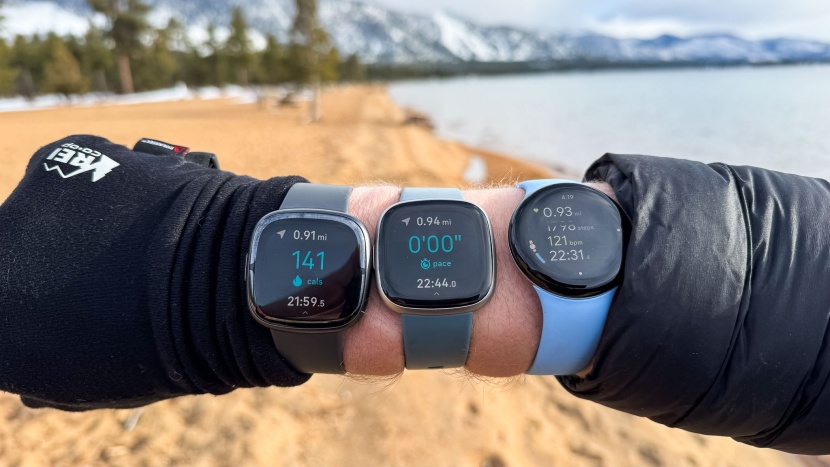
It is also important to point out that each product is scored relative to one another. Since we chose only to test the best smartwatches on the market, a low score doesn’t mean that a certain model is not worthy of your consideration. It simply means that the smartwatch performed poorly relative to the competition in a particular test or metric. By testing and ranking these smartwatches side-by-side, we can better highlight which products perform well in some ways or falter in others. This will help you better understand their strengths and weaknesses and how these fit into the context of their overall performance.
What’s the Best Value?
When comparing smartwatches, there are noticeable design improvements as you move up in price, and you tend to get what you pay for. That said, there also seems to be a price point where value is maximized — above that point, you are simply paying a premium on upgrades that don’t necessarily advance overall performance.
Why Isn’t the Ultra 2 the Best Overall Smartwatch?
The Apple Watch Ultra 2 is the best example of this. It is, without a doubt, an exceptional smartwatch. However, you’ll have to pay an arm and a leg for its additional features, most of which don’t amount to any discernible difference in performance. You can see in the Price vs. Performance Comparison chart, above, that it is so much more expensive than the other top performers, yet its overall performance score is not much higher.
With the Ultra 2, you gain an ultra-crisp, ultra-durable sapphire crystal screen and an extra 54 hours of battery life (without the GPS enabled). Since the screen on the Series 9 proved plenty durable in our tests and it still runs for an estimated 56 hours, we’re more than happy with those small tradeoffs considering the savings.
The Premium Ultra 2 vs. the Budget SE
The Ultra 2 is Apple’s premier model, incorporating the best design features and technology available for smartwatches. But is the nearly $800 price tag worth it? In most ways, our tests prove that no, it’s not. Let’s compare it directly to the SE, Apple’s sub-$300 model, to better understand how we came to this conclusion.
The SE runs on the same native apps as the Ultra 2 — Apple Watch, Health, and Fitness — so the smart functions are identical. The SE lacks a few of the more advanced sensors included on the Ultra 2, but we don’t miss the temperature sensor or the depth gauge (though we admit, we’re not regularly SCUBA diving). The microphone on the Ultra 2 mitigates wind noise, but unless you’re taking business calls from the top of a mountain, we didn’t notice any difference in any normal settings.
The greatest difference between the two is battery life. We don’t see much purpose in the always-on display of the Ultra 2 — even the SE turns on when you raise your wrist to check the time. There’s no arguing that the estimated 100 hours of battery life with the Ultra 2 (without the GPS enabled) far outstrips the 28-hour battery life of the SE. To be fair, however, you can save a lot of money if you’re simply willing to plug in your watch every night.
The Ultra 2 offers a higher quality display and a screen that’s 21% larger than that of the SE. Light meter measurements also proved that the screen on the Ultra 2 is technically 66% brighter than the screen on the SE. But when it came time to judge visibility outdoors — where screen brightness makes the most difference — the two watches were analogous. Our lead tester even made the same note with each model, “a beautiful display outdoors; very little reflection and very easy to read.”
Our tests prove that functionally, the only difference between these two watches is the larger screen on the Ultra 2. Unless your lifestyle demands longer runtimes between charges, given the choice of the two, we would opt for the much more affordable SE.
Inexpensive, Just Not All That “Smart”
We also recognize that we’re talking about the “incredible” value of watches that cost many hundreds of dollars. For folks shopping on a particularly tight budget — or folks looking for a regret-free foray into smartwatches — we want to highlight the Amazfit BIP 5 as the best option under $100.
In terms of smart function, it isn’t going to go head-to-head with any premium models we tested. However, the BIP 5 particularly impressed our testers with its seamless connectivity to either Apple or Android phones and for its call clarity. It also performed especially well in our step counter test, with an accuracy on par with the Apple SE.
Smart Function
If a watch is going to be a “smartwatch”, then it must easily and efficiently run a host of smart functions. The term “smart function” is practically synonymous with how well a phone or watch can run apps. First and foremost, we closely compared the utility of the native apps that come pre-installed alongside the availability and quality of third-party apps. We used them throughout our everyday lives at work, at home, and at play to rank them side-by-side — higher scores mean that apps are generally more useful and easier to use.
The Apple Watch Ultra 2, Series 9, and SE stacked the podium. Savvy readers will notice that even though proprietary app performance is identical, our experience using third-party apps varied ever so slightly. These differences in our scoring are based on the additional sensors you gain as you step up in price point, which allows for compatibility with more third-party apps. For example, the optical heart rate sensor on the Series 9 and Ultra 2 means that these watches can record an ECG (electrocardiogram), while the standard sensor on the SE can only sense irregular heart rhythms. Although the Series 9 and Ultra 2 are both rated as water resistant up to 50 meters, only the Ultra 2 is rated as a dive watch, so it is the only one that has access to Apple’s Oceanic diving app.
We do have a minor grievance with the fact that the premium Apple One apps, like Fitness+, live behind a paywall. Similar to the Fitbit Premium paywall on the Fitbit Sense 2 and Google Pixel Watch 2 (Google acquired Fitbit in 2021), you have to pay a subscription fee to access their training programs. The subscription fee is not insignificant and should factor into how you look at product value, especially if you’d like to tap into the power of these smartwatches for your fitness routine. The Galaxy Watch6 and Garmin Venu 3, on the other hand, don’t hide any functionality behind a paywall.
“>
The Samsung Health app on the Watch6 is not only totally free, but offers a nicely laid out dashboard that feels very similar to the Garmin Connect health app on the Venu 3. However, Garmin Connect offers fitness-specific options that far surpass those offered by the Samsung Health, Apple Health, and Fitbit apps. This alone makes the Venu 3 a superior choice for folks focused on using their smartwatch to track their workouts. Otherwise, the native Garmin IQ app and app store feel fairly basic, and the quality of third-party apps available is well behind those offered in the Apple or Google stores.
Our testers — even those used to their personal iPhones — found that the WearOS-based native apps on the Galaxy Watch6 and Pixel Watch 2 were slightly easier to navigate than iOS. Although the third-party apps available on Google Play sometimes felt a bit more clunky compared to those through the Apple Store, both stores are commensurate with third-party app availability. Our main concern with the Pixel Watch 2, as compared directly to the Watch6, is that we regularly ran into connectivity issues with the native Google Pixel Watch app. Whenever it disconnected, we had to factory reset the watch to repair the app, which cleared all settings and saved activities from the device. As you can imagine, this was very annoying.
It’s worth noting that many of the watches we tested run a version of WearOS at their core, including the TicWatch Pro 5 — that’s why this watch scores on par with the Watch6 and Pixel Watch 2 regarding third-party app capability. Interestingly, and despite Google’s acquisition of Fitbit, neither the Sense 2 nor the Versa 4 has the ability to connect to the Google Play store, which severely limits their overall smart function. Even the budget-friendly Amazfit BIP 5 is able to connect to a “mini” app store through its native Zepp app, which is why it outscores either of the Fitbit watches. However, it’s important to note that the quality of those apps is subpar relative to any offered in the Apple App Store or on Google Play.
It seems that even with our smartphones, call and text performance is secondary to app performance these days. Yet, it’s still a critical feature of smartwatches, especially if you are hoping to essentially shift full functionality from your pocket to your wrist. It’s no surprise that Apple and Samsung, as the top smartphone manufacturers in the United States, as well as Google, have produced smartwatches that are all highly capable of making phone calls or sending texts. We tested the calling capabilities of these smartwatches by simply making phone calls to one another. For texts, we assessed keyboard size and typing accuracy, and awarded points for any additional features like talk-to-text, draw-to-text, or the ability to set auto replies.
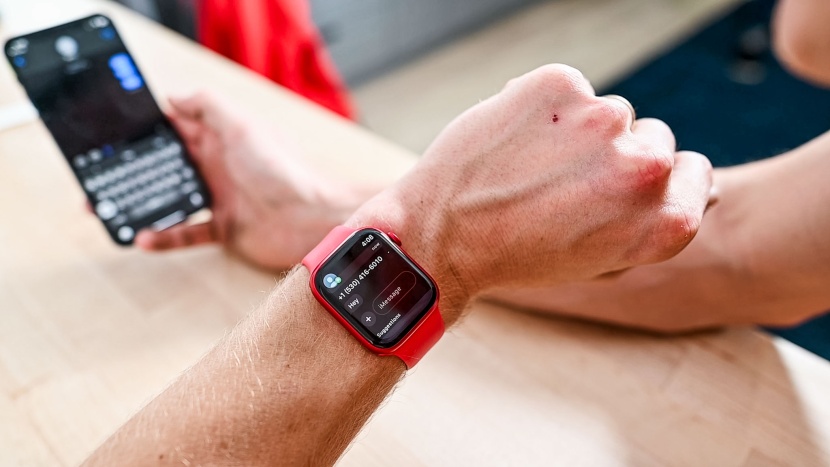
All of the Apple watches performed similarly to one another, which is to say, basically as good as the iPhone itself. The volume on every Apple Watch was akin to having your phone on speaker mode. On the receiving end, our testers only noted a slight echo behind otherwise excellent call clarity. All three models we tested support Apple’s unique Double Tap feature, which feels like a magical way to answer phone calls, but not all that necessary. For texting, the scores vary only slightly based on the size of the screen. Even though the keyboard is tiny, it’s surprisingly accurate, especially on the slightly bigger screen of the Ultra 2. The talk-to-text feature on all three watches works wonderfully, and although the Scribble feature is slow to use, it is effective and comes in handy in a crowded area where you can’t dictate a text.
“>
Call clarity on the receiving end of the Watch6 and the Pixel Watch 2 is similar to the Apple watches — essentially as clear as a normal phone, just with a slight echo. Testers noted that compared to the speaker on the Series 9, the sound resonating from the Watch6 is slightly muffled and that there is a modest amount of static around a voice emanating from the Pixel Watch 2. The face of the Pixel 2 is 10% smaller than the face of the Series 9, which makes a noticeable difference when trying to dial a number on an already tiny dialpad. When it comes to texting, our testers put the Pixel Watch 2 and Galaxy Watch6 on par with any of the Apple watches. Both Android watches include a Handwriting feature — which is similar to Apple’s Scribble — as well as an accurate talk-to-text. However, our testers noticed that the dictation is not quite as quick on the Pixel Watch 2.
“>